
BYD Seal 6 Review (2026) | Price, Fuel Economy & Verdict
In this BYD Seal 6 review, Caroline tests BYD’s new plug-in hybrid saloon for Ireland to see if its long electric range and low running costs make it a genuine alternative to traditional hybrids, EVs and even diesel.
BYD Seal 6 Review Overview
The BYD Seal 6 is the Chinese car brand's new sleek saloon, also available as a practical estate called the Seal 6 Touring. It's a plug-in hybrid using BYD's 'Super Hybrid' technology, as seen in models such as the Seal U and the Sealion 5. It's aimed at Irish car buyers, private and business, who want the style and space of a compact saloon car, great fuel economy and the back-up of a 1.5-litre petrol engine for longer motorway drives. Prices start from €37,490. It's spacious and efficient, though comfort and refinement could be better.
Here’s a quick breakdown of the Seal 6’s strengths and weaknesses.
Pros
- Excellent EV range
- Spacious cabin
- Very efficient hybrid system
Cons
- Firm ride
- Some road noise
- Saloon boot opening less practical
Key facts
Model tested: BYD Seal 6 Saloon Comfort & optional paint
Price: €42,090
Engine: 1.5-litre four cylinder petrol
Power: 212hp
Battery: 19kWh
EV range: 105km
Fuel economy: 4.8 litres per 100 kilometres
Motor tax: €140
Which BYD Seal 6 trim should you buy?
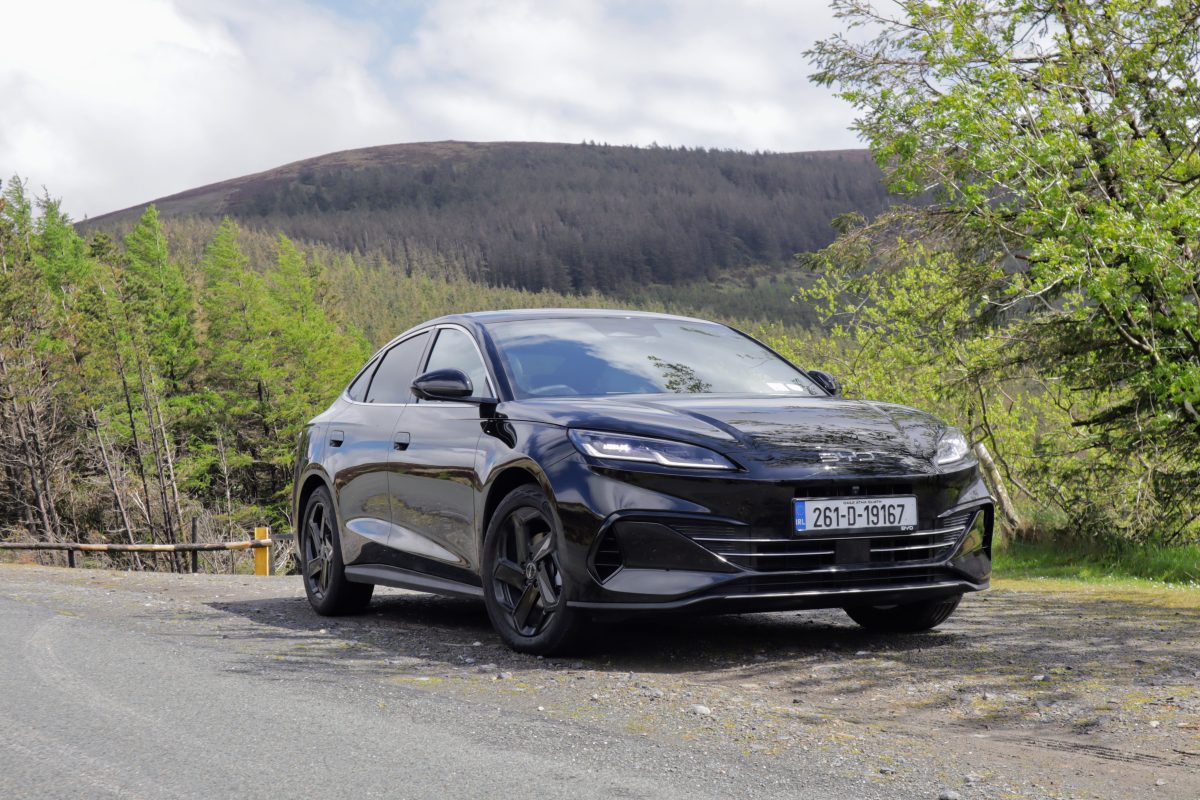
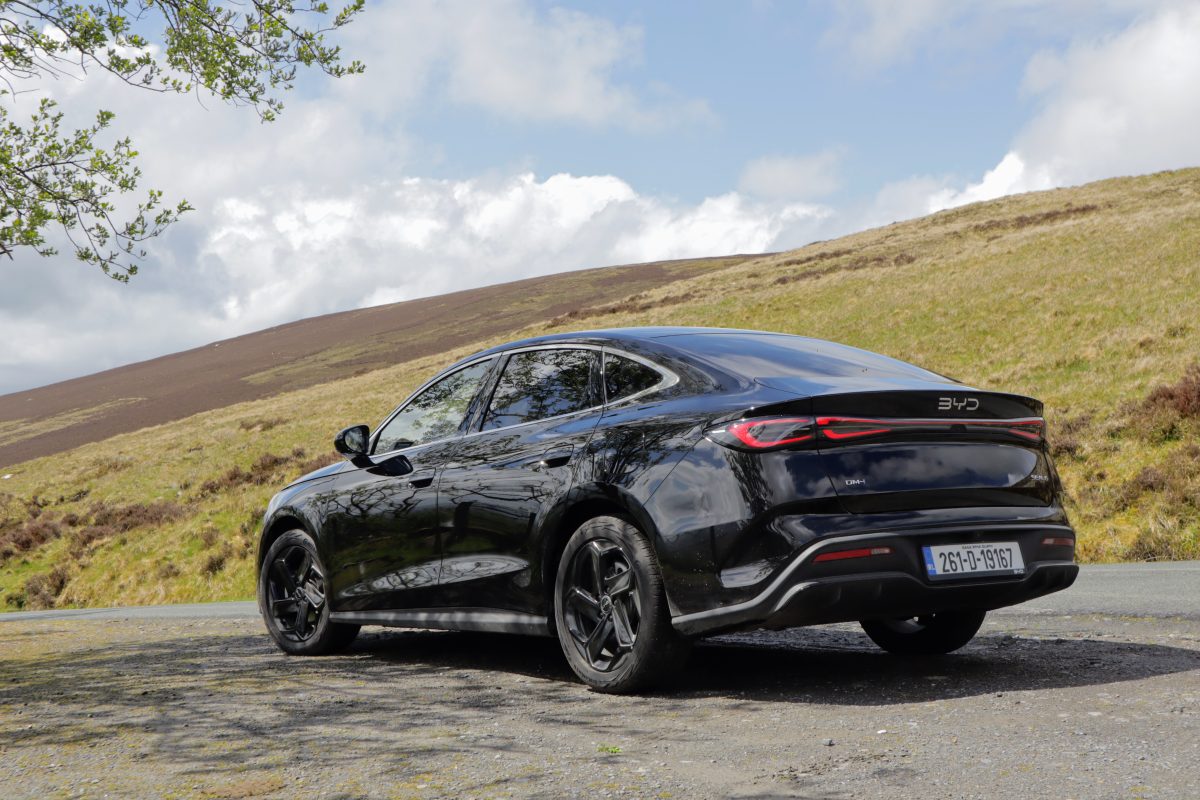
The BYD Seal 6 is a good-looking saloon with the brand's now characteristic sleek styling featuring thin, LED headlamps and elegant full-width lighting at the rear. Irish buyers may have fallen out of love with the saloon in recent years with the rise in SUVs, but the Seal 6 can definitely turn heads. There are just four colours to choose from, with the standard colour being white.
There are two trim lines for Ireland: Boost and Comfort. They differ aesthetically in terms of the wheel size. Boost versions get 17-inch alloy wheels, while Comfort rides on 18-inch and adds rear privacy glass.
They also differ in power and battery size. Boost models use a 10kWh battery with an EV range up to 55 kilometres. Comfort models use a larger 19kWh battery with up to a considerable 105 kilometres of EV range. This will suit buyers who can charge regularly, whether at home or work, and want to make use of driving electric.
Entry-level Boost trim includes features such as reversing camera, power adjustment for the front seats, adaptive cruise control, blind spot monitor and other safety features. However, I think Comfort versions are more desirable, adding a panoramic glass roof, ambient lighting, wireless smartphone charging, heated steering wheel and heated/ventilated front seats - perfect for chilly mornings!

What's it like to drive in Ireland?
The Seal 6 is front wheel drive and uses BYD's Super Hybrid with DM (Dual Mode) technology. It's designed to deliver the refinement and response of an electric car, but with the flexibility of BYD’s self-developed, petrol-electric hybrid system using a 1.5-litre petrol engine. Boost versions offer 184hp, while Design versions have 212hp for a 0-100km/h time in a sprightly 8.5 seconds.
BYD has also included drive modes (eco, normal, sport and snow), easy to adjust from a dial on the centre console.
On the road, the Seal 6 delivers close to that EV-like driving experience with little engine noise and a smooth, responsive drive. Handling is solid, with enough grip and steering feel to confidently take on Irish roads, though a Honda Civic is more fun to drive.
Where it falls down, is in overall comfort and refinement. The suspension has a tendency to feel harsh over bumps in the road surface, particularly noticeable on country roads, meaning a Skoda Superb is a better cruiser overall. There is also a fair amount of road noise that takes away from the otherwise refined driving experience.

What is the real fuel economy and EV range of the BYD Seal 6?
This is where the Seal 6 really shines! It has a large fuel tank and combined with a full battery, there's well over a 1000 kilometre range possible. Fuel consumption is consistently low without trying too hard, or even having to be diligent about charging the battery. Over a week of driving, I saw fuel consumption as low as 4.4 litres per 100 kilometres. Who needs diesel?
Charging the plug-in hybrid
BYD quotes a 15-100% charge time in 3 hours for the Boost (3.3kW AC) and 2.7 hours for the Comfort (6.6kW AC). The Comfort can also accept DC charging up to 26kW for a 30-80% charge in as little as 23 minutes.
BYD Seal 6 Interior & Practicality
Inside the Seal 6 feels well-appointed with a bit of style. That's thanks to the use of different materials, colour schemes and comfy full synthetic leather seats. Two colour schemes are available: blue and black, and black and grey.
Even the base Seal 6 gets the brand's signature 12.8-inch infotainment display, though this is upgraded to 15.6-inch in the Comfort model tested here. It comes with wireless Apple CarPlay and Android Auto. There are a few shortcuts that help access features quickly as well as voice control. BYD has also included a number of physical buttons on the centre console that boost the user-friendliness of the design. Comfort models also get a useful 360-degree camera.
Rear seat passengers can enjoy plenty of legroom to stretch out. There are other comfort features like vents and an armrest.
When it comes to the boot, the Seal 6 Saloon has 491 litres of space, which is actually a bit bigger than the BYD Seal. It's good in volume but being a saloon, the space is awkward to access fully because of the narrow opening. Buyers may find the Seal 6 Touring more practical for its estate-style boot and wide opening, though the volume is not much more (500 litres). The rear seats can also split fold 60:40 for carrying longer items.
All versions of the Seal 6 have a useful vehicle-to-load feature that allows you to power devices using a special adaptor for the charge port.

How many Isofix points does it have?
Three. They are positioned on the two outer seats and the front passenger seat.
BYD Seal 6 Pricing for Ireland
- BYD Seal 6 Saloon Boost: €37,490/ €38,610 with optional paint
- BYD Seal 6 Saloon Comfort: €40,990/ €42,090 with optional paint
Verdict: BYD Seal 6 Saloon
The BYD Seal 6 is a compelling addition to the BYD range with its stylish saloon design, spacious cabin and excellent fuel economy that makes it a genuine alternative to a diesel for long distance driving. The ride can feel overly firm on rough Irish roads, while road noise detracts from the otherwise refined hybrid experience. Vehicles like the Skoda Superb or Honda Civic perform better in this regard, making them more relaxing cars overall. The saloon-style boot opening is also less practical than a fastback, estate or SUV. Yet there's a lot to like about the Seal 6, particularly for buyers who want a fuel-efficient hybrid with smooth EV-like driving experience without going full electric. And a good-looking alternative to an SUV.
BYD Seal 6 Video Review
___________
Written by Caroline Kidd
Founder and Editor of Changing Lanes, Juror for Irish Car of the Year

BYD Sealion 5 Review (2026): BYD’s New Family SUV Tested
Read Caroline's BYD Sealion 5 review for everything you need to know about buying BYD's new plug-in hybrid SUV in Ireland.
BYD Sealion 5 Summary
Chinese car brand BYD has enjoyed great success in Ireland in just three years since arriving in 2023 and is already a bestselling EV and plug-in hybrid brand. The model range has expanded rapidly, with new models like the Seal U and the Sealion 7 driving growth.
The new BYD Sealion 5 looks set to expand the brand's fortunes even more in the compact SUV segment. Slotting into the range below the Seal U, the new Sealion 5 uses the same 'Super Hybrid' technology and is priced from just €36,990. It's a plug-in hybrid SUV with two different trim lines available, Comfort and Design. It rivals the likes of the Toyota Corolla Cross, Nissan Qashqai, Kia Sportage and the Hyundai Tucson in the compact SUV segment, and is ideal for buyers who want a spacious SUV that's incredibly efficient.
BYD Sealion 5 Video Review
Find out more about how the Sealion 5 performs on Irish roads in my video review.
BYD Sealion 5 Design
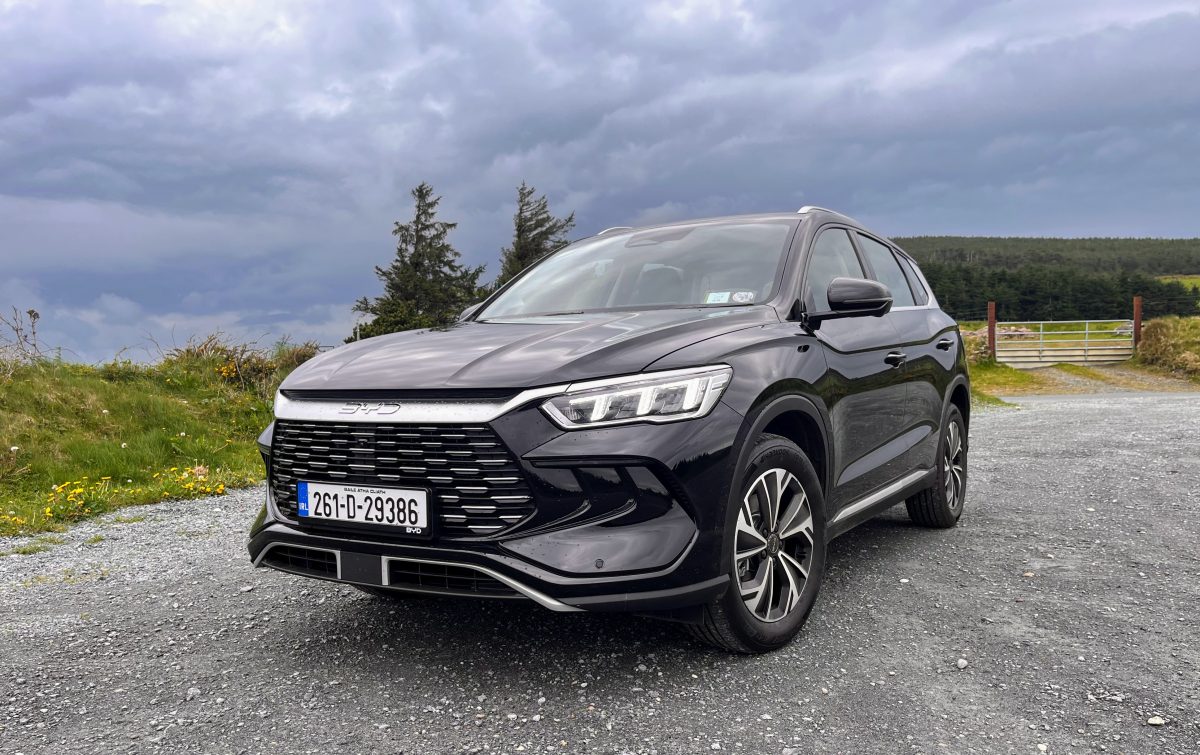
BYD has churned out some great designs in recent years like the Seal and the Sealion 7. But next to those, the Sealion 5 looks surprisingly plain. Yet the SUV shape is appealing and the thick band of silver metallic finish between the headlights gives it a bit of style, as does the silver finish to the rear pillars.
LED headlights also come as standard. There are just four colours to choose from: white, black, blue and grey.
Both Comfort and Design versions look the same with 18-inch alloy wheels and aluminium roof rails included for a chunky SUV look.
Altogether a smart-looking SUV but not a hugely memorable one.
BYD Sealion 5 Interior
Getting into the Sealion 5 and you're met with a cabin that feels far more plush and up to date than what the outside might suggest. BYD does a great job of creating car interiors embellished with plenty of technology and soft synthetic leather upholstery. All versions come with a digital instrument panel, 12.8-inch touchscreen, as well as electrically adjustable front seats and rear parking sensors.
The infotainment system responds to ‘Hi BYD’ voice commands and has useful shortcuts as well as apps for music and streaming, and over-the-air updates. The heating and ventilation controls are in the screen, which can be fiddly. But there are a few shortcuts worth knowing using three-finger swipes from side to side for fan speed, up and down for temperature.
Design versions add front parking sensors, 360-degree camera, powered bootlid, heated front seats and a 15W wireless smartphone charging pad.

BYD Sealion 5 Practicality
There's a 463-litre boot, which is similar to a Corolla Cross, though smaller than that of the Qashqai or Tucson. The rear seats can also be let down 60:40.
There's a completely flat floor in the back, which is great for legroom and will seat three. Isofix points feature on the outer seats but also the front passenger seat.
Another handy feature is vehicle-to-load technology, allowing external devices like a coffee machine or portable fridge to be powered at up to 3.3kW.
Driving the BYD Sealion 5
The Sealion 5 uses the brand's 'Super Hybrid with DM technology', which aims to give an EV driving experience from a hybrid with the back-up of a 1.5-litre petrol engine.
DM stands for Dual Mode and the Sealion 5 can switch between EV and Hybrid driving. There are two different battery sizes (12.96kWh and 18.3kWh) with the Comfort offering up to 62 kilometres and the Design a more useful 86 kilometres. Charging the battery depends on the battery size and is between 4.5 and 6 hours.
Both versions have a healthy 212hp through the front wheels. The Sealion 5 Design I tested is incredibly smooth and responsive to drive with 0-100km/h in 8.1 seconds. It really does drive like an EV, even in hybrid mode. Occasionally you hear the engine at work but it never gets too noisy, even under hard acceleration. There is some road noise at high speeds on the motorway but it's not bad at all.

The ride quality is a little more mixed. It's not uncomfortable but you do hear it thumping over any lumps or bumps in the tarmac. Even at a cruise on the motorway, it never entirely settles down underneath you, feeling fidgety and unsettled.
The handling won't light up your world but it does grip and steer well through bends, and feels more agile and connected to the road than the larger Seal U that shares the same hybrid technology.
There are driving modes as standard - normal, sport, eco and snow - and you can adjust the strength of regenerative braking through the screen.
What sort of fuel economy has the BYD Sealion 5?
Fuel economy is excellent, even when the battery is no longer charged. Over a few days driving, my average was 4.7 litres per 100 kilometres, which makes diesel a distant memory. With the battery fully charged and a full tank of fuel, the Sealion 5 gives an indicated range well over 900 kilometres.

BYD Sealion 5 Price in Ireland
Comfort models start from €36,990 with an electric range up to 62 kilometres. The Design from €40,990 offers up to 86 kilometres and even more equipment.
Verdict: BYD Sealion 5
The BYD Sealion 5 is a strong, sensible addition to BYD’s growing line-up in Ireland, even if it doesn’t quite have the visual flair of some of the brand’s other models.
Where it really shines is in its drivetrain. The Super Hybrid system delivers an impressively smooth, EV-like driving experience with excellent efficiency consistently. The real-world fuel economy and long combined range make it a genuinely practical alternative to diesel.
However, it’s not without compromises. The ride can feel unsettled on rougher roads and the styling also plays it safe, which may leave it blending into the background in a crowded segment.
Still, it's spacious, well-priced and efficient, which counts for a lot for a family car.
___________
Written by Caroline Kidd
Founder and Editor of Changing Lanes, Juror for Irish Car of the Year

BYD Sealion 5 arrives in Ireland
BYD is expanding its line-up of electric cars and hybrids in Ireland with the arrival of the new BYD Sealion 5.
The new mid-size SUV comes as a plug-in hybrid with two different specifications - Comfort and Design - and rivals the likes of the Toyota Corolla Cross, Nissan Qashqai and the Hyundai Tucson in the compact SUV segment.
BYD Sealion 5 Price and Trim Levels
Comfort models start from a competitive €36,990 with an EV range up to 62 kilometres, while the Design offers up to 86 kilometres and even more equipment, from €40,990. Both versions have a healthy 212hp.
The five-seat SUV comes with a practical 463 litre boot. Another handy feature is vehicle-to-load technology as standard, allowing external devices like a coffee machine or portable fridge to be powered at up to 3.3kW.
Standard features include metallic paint, 18-inch alloy wheels, aluminium roof rails, LED headlights and LED rear lights. There's also a digital instrument panel, 12.8-inch touchscreen, electrically adjustable front seats and rear parking sensors.
Design versions of the Sealion 5 add front parking sensors, 360-degree camera, electric tailgate, heated front seats and a 15W wireless smartphone charging pad.
BYD’s Growing Line-Up in Ireland
The new BYD Sealion 5 brings the brand's Irish range to eight cars in total alongside models such as the Seal, Seal U and Dolphin Surf. It's the fourth BYD model to offer the brand's clever 'Super Hybrid' technology alongside the Seal U, Seal 6 and Seal 6 Touring.
BYD has had a great start to the year in Ireland, with registrations up 98% on last year and the brand among the bestselling electric car brands alongside Hyundai, Volkswagen, Kia and Tesla.
_______________
Written by Caroline Kidd
Founder and Editor of Changing Lanes, Juror for Irish Car of the Year

BYD Dolphin Surf Review | Best Budget Electric Small Car?
Read Caroline's BYD Dolphin Surf review for all you need to know about buying BYD's electric city car in Ireland.
BYD goes from strength to strength in the Irish market thanks to an expanding model range that now includes six models.
The latest to arrive is the Dolphin Surf, which also happens to be the smallest. BYD's new electric city car is priced from just €17,985, making it one of the most affordable small cars on sale right now.
Let's take a closer look.
Design
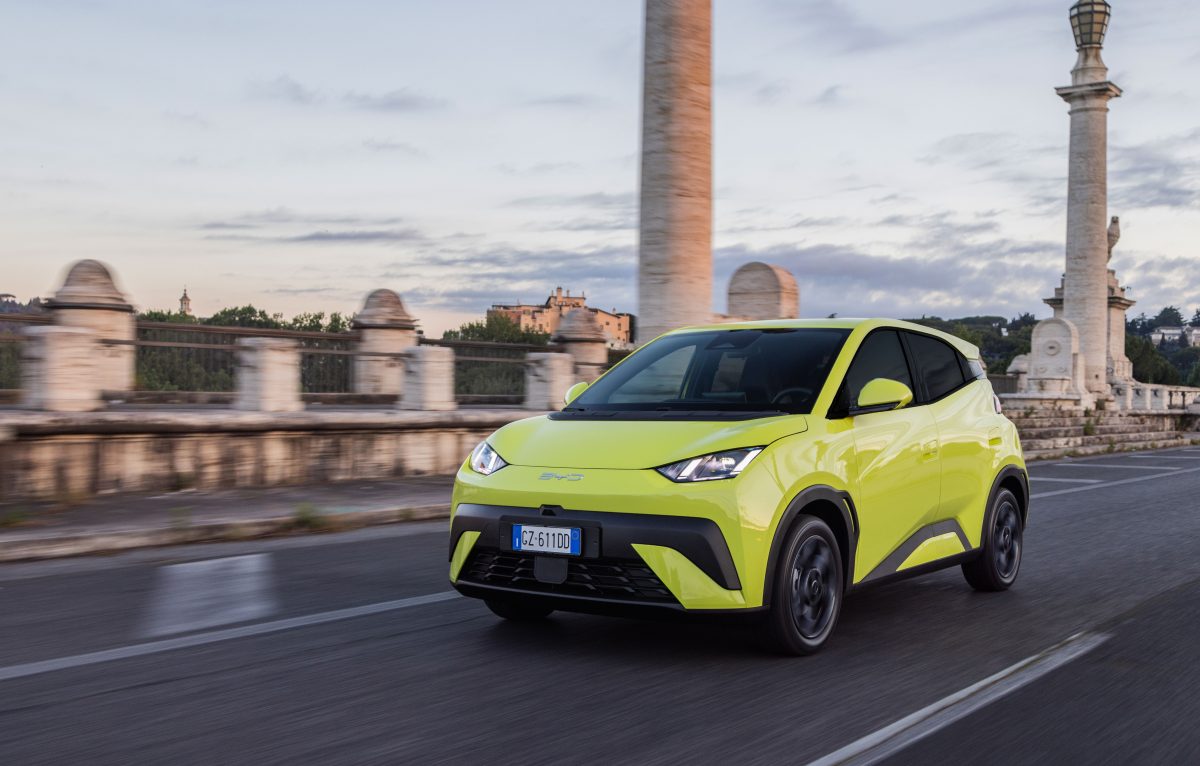
The newcomer is definitely not boring. The designers have managed to avoid the boxy look that plagues some small cars. Instead a punchy design that is showed off to best effect in lime green. There are three other colours to choose from: black, white and blue. The Dolphin Surf has been affectionately referred to as 'the baby Lambo' and it's not hard to see why, with it's dramatic styling, large rear spoiler and plunging nose. It also gets a light bar at the rear, which is quite special for a small car.
LED daytime running lights come as standard across the range, though full LED headlights are only reserved for the top spec Comfort. 15-inch steel wheels come as standard on the Active, while the Boost and Comfort get 16-inch alloys.
BYD Dolphin Surf Interior
Inside is a little more demure. The colour scheme is black and grey, and the Dolphin Surf gives a good impression of being sturdy and well-appointed. There is a digital driver display similar to other BYD models and the brand's now signature rotating touchscreen with wireless Apple CarPlay and Android Auto. It's a good size for a compact car and has lots of features inside so it's anything but basic. Underneath there is a row of shortcut buttons, but most of the features will require touch control to adjust things like the climate control.

Standard equipment includes synthetic leather seats and steering wheel, keyless entry, parking camera, climate control, adaptive cruise control and many safety features.
The Comfort model on test included extras like heated front seats with power adjustment for the driver and a 360-degree camera.
Practicality
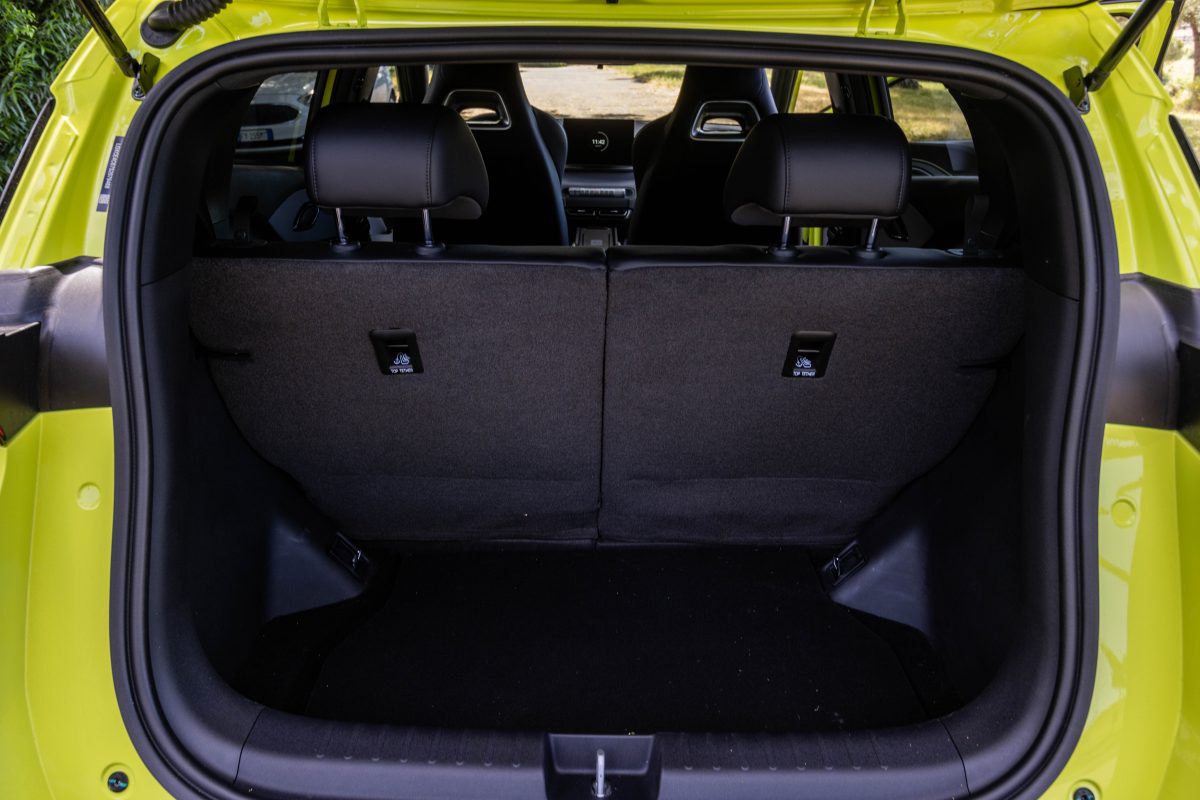
The Dolphin Surf is a strict four seater and adults should be fine to sit in the back from time to time. BYD has also cleverly included three Isofix points: one on the front passenger seat and each of the rear seats. The boot is a modest size at 308 litres but generally compares well to rivals like the Citroen E-C3 and the Hyundai Inster. It also cleverly has tidy underfloor storage for the charging cables, which keeps them off the boot floor. The rear seats can also be let down easily for more space.
Battery and range
The Dolphin Surf uses BYD's LFP 'blade battery'. Range figures vary depending on which model you go for. The entry level Active uses a 30kWh battery with range up to just 220 kilometres. Likely to be of more interest will be the 43.2kWh battery with up to 322 kilometres in the Boost model and up to 310 kilometres in the Comfort.

Charging
All versions have 11kW AC charging capability and vehicle to load charging to power other devices and appliances. DC fast charging rates vary: 65kW in the smaller battery Active or 85kW in the larger battery versions. But charging from 10-80% should take about 30 minutes.
Driving the Dolphin Surf
On the road the Dolphin Surf feels sturdy and sprightly. Not surprising considering my Comfort test model has a 156hp electric motor powering the front wheels. Quite a lot for a small car and it proves to be nippy and responsive - 0-100km/h in 9.1 seconds - and well able to keep up with traffic on motorways should you find yourself on one. The Active and Boost versions have a more modest 88hp.There are a few drive modes to choose from including eco, normal, sport and snow.
BYD quote consumption of 16kWh per 100 kilometres for the Comfort model and that's easy to replicate in real world driving.
The Dolphin Surf is designed for the city but is fine on the motorway, though it does get noisier in the cabin at high speeds. It's generally comfortable for a small car though feels bumpier on poorly surfaced rural roads. Otherwise it's respectable good fun to drive, with predictable steering and good body control through bends.
The driver's seat is perhaps set a little high as even in its lowest position, I felt I would have liked to have been able to lower it a bit more.
BYD Dolphin Surf Price
The Dolphin Surf Active is available from €17,985 with up to 220 kilometre range. The Boost is available from €22,230 with up to 322 kilometres range. The range-topping Comfort with the most powerful electric motor is available from €24,113 with up to 310 kilometres of range.
Verdict
The BYD Dolphin Surf is a very convincing small car, particularly in the range-topping Comfort trim tested here. The combination of power and range make it good to drive, while the level of features included makes it a nice package overall. With funky styling and fun interior, the Dolphin Surf manages to stand out and carve its own niche among a new generation of small electric cars.
_______________
Written by Caroline Kidd
Founder and Editor of Changing Lanes, Juror for Irish Car of the Year

BYD Sealion 7 Review
Read Caroline's BYD Sealion 7 review for everything you need to know about buying this new electric SUV in Ireland.
BYD has been growing its presence in Ireland and Europe with a range of hybrid and fully electric models. The BYD Sealion 7 is the latest to land here and slots into the range above the award-winning BYD Seal saloon.
With sporty crossover looks and some serious performance, the Sealion 7 offers an even more upmarket experience behind the wheel along with an astonishing list of comfort features.
But is it a good match for rivals like the Skoda Enyaq and Tesla Model Y?
Let's take a closer look.

Design
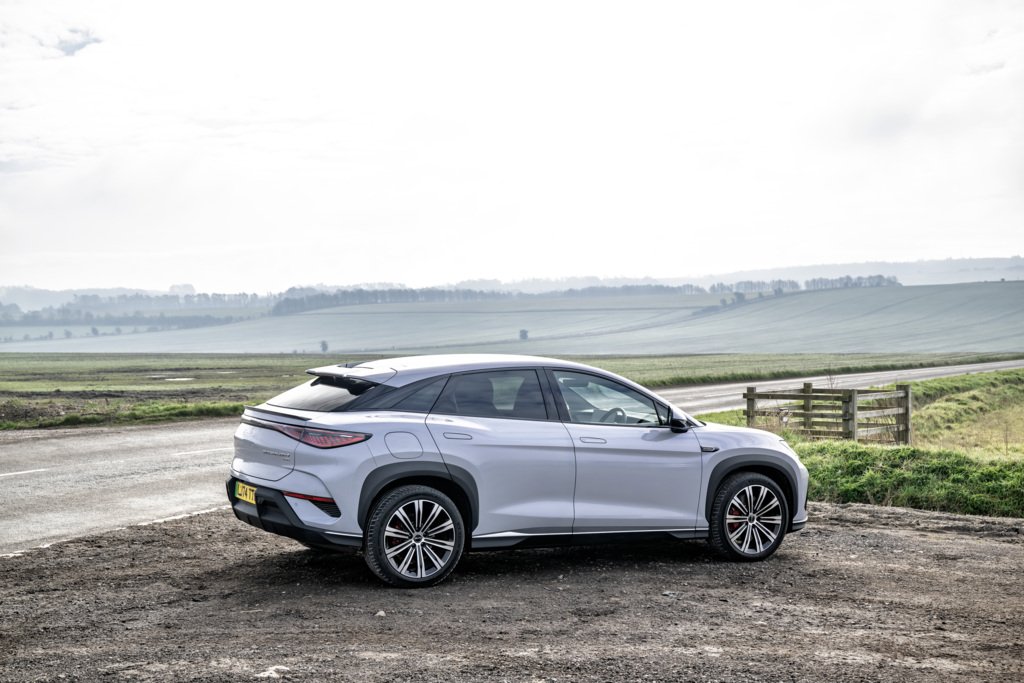
The Sealion 7 is part of BYD’s Ocean Series, joining the Dolphin, Seal and Seal U. It borrows design cues from the sleek BYD Seal saloon I reviewed last year, particularly at the front where slim LED lighting gives it a smart, futuristic look. It has the typical chunky stance of an SUV with plenty of cladding, which adds character. At the rear, it's anything but generic with a stylish, sloping roofline and twin rear spoilers. Look closely and you'll notice a quirky water droplet motif in the tail lights, a nod to its ocean aesthetics.
There are just four colours on offer. Entry-level Comfort models sit on 19-inch alloys. The more powerful dual motor Design and Excellence versions upgrade to 20-inch wheels. Sporty Michelin tyres and red brake calipers hint at the Sealion 7's electric performance.
Interior
Step inside and you’re greeted with a tech-rich cabin that's very well appointed with plush leather seats and plenty of soft touch materials for an upmarket feel no matter which version you go for. There's a full digital driver display and the centrepiece is BYD’s trademark 15.6-inch rotating touchscreen with wireless Apple CarPlay and Android Auto.
Standard equipment is exceptionally good with all versions coming with heated front seats with power adjustment and lumbar support, heated rear seats, panoramic glass roof, 360-degree camera and wireless phone charging.

Practicality
Rear seat passengers benefit from a completely flat floor thanks to the bespoke EV platform and generous legroom, with the added comfort of reclining seat backs. There are also Isofix mounts on the front passenger seat and two outer rear seats, making it family-friendly.
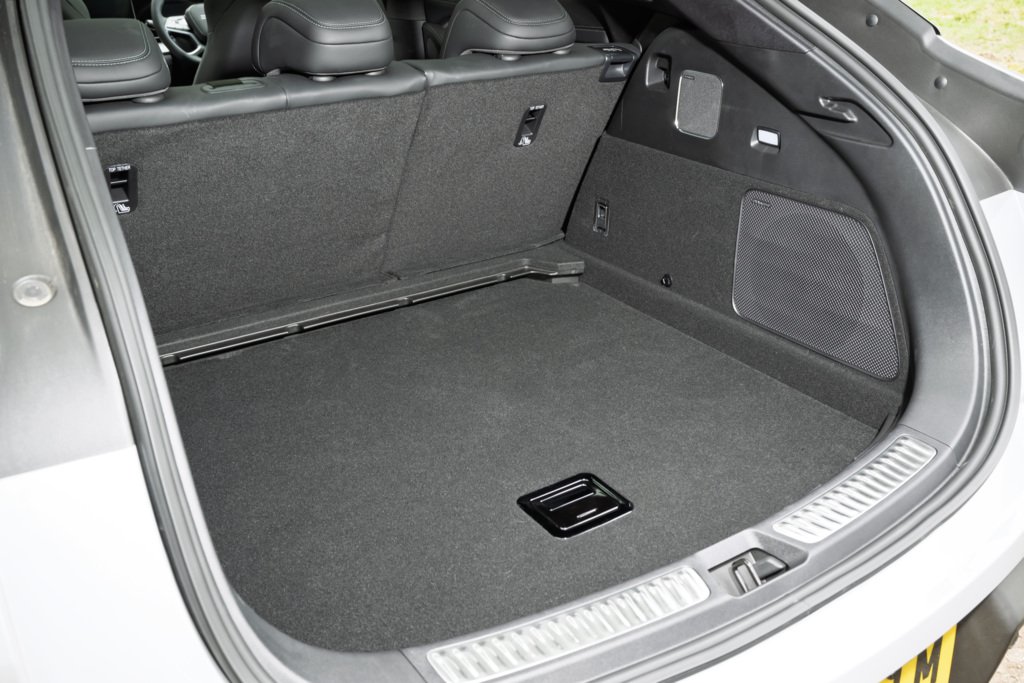
Boot space stands at a useful 520 litres, which is a little off the gigantic Enyaq but still very useful with a powered tailgate and an additional 58-litre ‘frunk’ under the bonnet.
Battery and range
The BYD Sealion 7 is available with two battery sizes and either rear wheel drive (Comfort) or all wheel drive (Design and Excellence). The Comfort and Design use an 82.5kWh LFP battery, delivering up to 482km in the rear wheel drive Comfort and 456km WLTP range in the all wheel drive Design. The Excellence AWD ups the ante with a 91.3kWh pack, offering up to 502km of range.
These are solid figures but some versions of the Enyaq and Model Y offer more range. That said, BYD includes a heat pump as standard for better real-world efficiency in cold weather.
Charging
DC fast charging is brisk: up to 150kW for the Comfort/Design and 230kW for the Excellence, allowing a 10-80% top-up from a fast charger in 24–32 minutes depending on the model.
Driving
With up to a massive 523hp, the Sealion 7 AWD Design model I tested is seriously quick when you put your foot down: 0–100km/h is just 4.5 seconds, which is referenced on the boot lid in case anyone is in any doubt. While the power is impressive, the driving dynamics are softer overall. The steering feels vague and the suspension is on the soft side, making it more of a relaxed cruiser than a sharp-driving SUV. Sport mode does tightens things up and make the steering more weighty, but a Model Y is more fun to drive.
On the positive side, the BYD offers excellent comfort levels on Irish roads, from motorway to bumpy rural roads. It doesn't feel too firm in town like some electric SUVs can and goes over ramps like a dream. It may not quite live up to its stellar performance figures with the right degree of pin-sharp handling, but the comfort and refinement levels are arguably of more value to Irish motorists looking for a good electric SUV with decent range.
During my time with the Sealion 7, I witnessed energy consumption of 21.4 kWh, which did seem on the high side for my summer test. A Model Y is more efficient in my experience.
BYD Sealion 7 Pricing
Pricing for the Sealion 7 starts from €45,435 for the Comfort RWD with the 82.5kWh battery. The Design AWD model (tested here) starts from €52,390, while the range-topping Excellence AWD is priced from €56,490 and gets the larger 91.3kWh battery.
All versions are exceptionally well-equipped with no extensive options list.
Is the BYD Sealion 7 a good car?
BYD has been growing its presence in Ireland by adding new models like the Seal U plug-in hybrid SUV. The soon to arrive Dolphin Surf will certainly keep things interesting for buyers looking for an affordable electric city car.
But it's the Sealion 7 that has the most difficult task at hand in the hotly-contested electric SUV market. The newcomer makes a big splash with standout style. It's really a very attractive car: chunky and sporty, all at the same time.
It's certainly fast but its softly sprung nature makes it more of a comfy cruiser than a budget Porsche Macan. And that should be fine for a lot of buyers in this market. Throw in the spacious cabin with a great finish and lots of standard features, and the Sealion 7 becomes a compelling choice of its own among electric SUVs.
_______________
Written by Caroline Kidd
Founder and Editor of Changing Lanes, Juror for Irish Car of the Year


BYD Seal AWD Excellence Review | Fast and Fabulous
Read Caroline's BYD Seal review for everything you need to know about buying BYD's new electric saloon in Ireland.
The BYD Seal is BYD's third model to launch in Ireland after the Atto 3 and Dolphin.
In just a few short months, the Tesla Model 3 rivalling saloon has become BYD's bestseller.
It's available in two flavours - rear wheel drive Design or all wheel drive Excellence, with over 500 kilometres of range possible.
Let's take a closer look.

Design
The BYD Seal is an exciting car to behold with a sporty and sleek design that helps it stand out on the road. It's the second model in BYD's 'Ocean Series' after the Dolphin, cue the marine mammal reference.
The nose is low and sleek like a sports car. There are striking LED headlights and the DRLs are meant to represent water ripples. Flush door handles pop out neatly for access to the car. At the back there is a full width light bar with more extravagant detailing. There's also a badge depicting how fast the all wheel drive version can get to 100km/h - a staggering 3.8 seconds. Sporty 19-inch alloy wheels come as standard. There's also a diffuser effect in the rear bumper.
There are six colours to choose from including pictured Indigo Grey.
What does BYD stand for?
BYD stands for 'Build Your Dreams'. Unlike the Dolphin, the Seal doesn't have that written on the car anywhere.
BYD Seal Interior
Inside the newcomer feels stylish and well-appointed. There is the choice of blue or black leather interior as standard, with diamond stitching and sporty integrated headrests. The Seal gets what BYD call a 'surging wave' dashboard design. There's also a bridge console in the centre that gives the Seal quite a snug, driver-focused feel. The suede-effect fabric in the dashboard and doors gives a pleasant plushness. Neat details include door handles shaped like water droplets and a crystal-effect gear shifter.

There's a full digital driver display and a large rotatable touchscreen for a high-tech feel. The touchscreen requires patience to navigate at first. There's quite a lot of options to browse and touch controls exclusively for the climate menu. There's also a wired Apple CarPlay/ wireless Android Auto connection and voice control.
Standard equipment levels are high including heated and ventilated seats, heated steering wheel, wireless charging for two smartphones, upgraded sound system, panoramic roof and lots of safety features.
Practicality
The Seal is built on a bespoke electric vehicle platform so offers a spacious rear seat for passengers. There's loads of legroom and headroom for a saloon like this. It's very well-finished with lots of practical amenities like an armrest with cupholders, USB-C ports, air vents and pockets in the back of the front seats.
The boot has a capacity of about 400 litres, which is less volume overall than a Tesla Model 3 but still a good enough size. Just like a Model 3, the saloon-style boot opening can make the space a little harder to access than in a hatchback.
There's also a small storage compartment under the front bonnet.

Battery
The Seal is powered by BYD’s own 82.5 kWh 'Blade' battery. It's a lithium-iron phosphate battery (LFP) and cobalt-free. BYD says it has a higher level of safety and durability compared with lithium-ion batteries and can withstand more charge and discharge cycles with hardly any loss of capacity.
The all wheel drive Seal has an official range of up to 520 kilometres (WLTP). The rear wheel drive one can manage up to 570 kilometres (WLTP).
A heat pump comes as standard.
Driving
Is the BYD Seal fast?
The Seal is a powerhouse with the top of the range Excellence all wheel drive model packing 670Nm of torque and 530hp. It puts its power down well with no drama or tyre squeal, feeling very secure and planted at all times as you hit 100km/h in just 3.8 seconds (5.9 seconds in the rear wheel drive Seal). It is a heavy car so the initial accelerator response doesn't feel particularly lively.
You can move between Sport, Normal and Eco driving modes. There's two 'strengths' of regenerative braking. But the effect is not that strong for either and stops short of one-pedal driving.

Seal gets the honour of being the first BYD with independent suspension, while the all wheel drive versions also get uprated dampers. While the Seal feels a lot more tied down and athletic than the BYD Dolphin or Atto 3, it doesn't quite have the same level of expertise behind the wheel as rivals like the Tesla Model 3 and Polestar 2. The steering is not weighted as well and lacks a fluid, natural feel.
Still when the roads get twisty, the combination of good body control and the speedy acceleration does make it feel willing and dynamic.
It's also impressively refined. The front windows get laminated glass for more insulation, which keeps things cool and calm in the cabin.
The Seal doesn't go as far as to offer a pillowy ride and feels quite harsh over the worst of Irish tarmac in town and on rural roads. It settles down on smoother tarmac.
What is the range of the BYD Seal?
In terms of efficiency, my average consumption wavered between about 17kWh - 21.6 kWh per 100 kilometres while I was driving the BYD Seal over a week. This translates to between 382 - 485 kilometres compared to the WLTP figure of 520 kilometres for the all wheel drive Excellence model.
Charging
The Seal has an 11kW on-board charger for AC charging as standard. It's possible to charge at up to 150kW in DC charging.

BYD Seal price
The rear wheel drive Design model is on sale at €44,036 and from €49,836 for the all wheel drive Excellence.
Verdict
The Seal is BYD's best model yet to reach these shores. It's an incredibly stylish car with a superbly finished interior that's sure to woo new fans to the brand. It can also go the distance offering competitive range and charging for an electric saloon. The Seal is a good contender for cars like the Tesla Model 3, Polestar 3 and Hyundai Ioniq 6 though the driving experience requires a little finessing for those who enjoy a sharper driving experience. The Seal is one to watch in 2024 and is sure to make an impact.
____________________________
Written by Caroline Kidd
Founder and Editor of Changing Lanes, Juror for Irish Car of the Year
BYD Seal Video Review
Check out my BYD Seal video review for everything you need to know about the new electric saloon.

BYD Dolphin Review | Best value EV
Read Caroline's BYD Dolphin review for everything you need to know about buying BYD's new compact electric hatchback in Ireland.
The BYD Dolphin is one of the most anticipated new cars to arrive in Ireland in 2024 because it's one of the most budget-friendly EVs to go on sale in quite a while.
EVs have secured themselves a reputation thus far of being expensive, with many models pricing themselves above their petrol and diesel counterparts.
The tide is turning with many brands now cutting prices to entice buyers among the backdrop of a slowing EV market and in an effort to fend off the very plausible threat from new Chinese car brands - just like BYD.
The BYD Dolphin has a starting price of just €25,570 for the Dolphin 44.9kWh with up to 340 km (WLTP) range and from €29,318 for the Dolphin 60.4kWh with up to 427 km (WLTP).
And beyond the quirky name, the Dolphin is a cheerful enough companion for the road.
Let's take a closer look.

What's so special about the BYD Dolphin?
The Dolphin is pitched as a compact hatchback to take on the popular MG4 and Volkswagen ID.3. It's part of BYD's 'Ocean Series', just like the newly launched BYD Seal four-door saloon.
It has a straightforward, practical shape as opposed to the sleeker and sportier MG and ID.3. But BYD clearly tried to stamp some trendy design touches on it like the attractive colour palette, contrasting roof, alloy wheels with coloured inserts, LED lighting and a smart full-width light bar at the rear.
The Dolphin uses BYD's very own 'Blade Battery', which is a lithium iron phosphate (LFP) battery as opposed to the lithium ion batteries we've heard a lot about to date. They are cheaper to make and do without precious metals like cobalt and nickel, which is an advantage.
It will seat five and there is a tremendous amount of legroom in the back seat. Built on a bespoke electric vehicle platform, there is a flat floor the full width - though it's still a compact car so it's most comfortable for two back there.
At 345 litres, the boot is a little disappointing though it will be perfectly adequate for some. It's smaller than the boot in the MG4 and ID.3, which may limit its appeal for family buyers.

Inside the BYD Dolphin
The Dolphin's cabin is full of character. It's a really fun interior with a strong aquatic theme - the door handles are shaped like a dolphin's flipper and there's a curved finish to the dashboard that does resemble waves on the sea.
The Design model gets a beautiful coloured interior - dark blue in my test car with some red stitching in the steering wheel and around the circular air vents.
There are cheaper hard plastics in places but they are well-disguised among lots of soft touch materials in the dashboard and doors. The vegan leather seats with integrated headrests are another highlight.
The digital technology on board is a little hit and miss. There is a small digital instrument cluster behind the steering wheel, yet the icons are small and it appears quite cluttered.
An impressive 12.8-inch rotatable touchscreen is well-placed in the centre of the dash. It looks great with crisp graphics yet simple tasks like adjusting the fan speed require a few prods of the screen if you are using Apple CarPlay/Android Auto, which still require a cable to connect.

Otherwise it's an exceptionally well-equipped car with standard features including lots of safety and driver assistance features, 360-degree camera, heated front seats with power adjustment and automatic lights with high beam assist.
The Design model adds wireless smartphone charging and a panoramic glass roof.
Driving the Dolphin
The Dolphin 60.4kWh uses a 204hp motor to send power to the front wheels. It's nippy enough and there's no problem picking up speed quickly to join motorways or for overtaking manoeuvres.
It's not the most exciting car to drive in the world with quite woolly steering but it's easy to place on the road and keep in lane on the motorway. It feels solid and comfortable on the road though it does get quite noisy at high speeds on the motorway, which might limit its appeal as a car for long commutes. A Volkswagen ID.3 is more refined in this manner.

There is a heat pump to improve the efficiency of the battery in cold weather and two 'strengths' possible of regenerative braking. Overall efficiency is good with my average sitting at about 16.3kWh per 100 kilometres during my time with the car. This put me on track for a real world driving range of about 370 kilometres between battery charges.
When it does come to charging, the Dolphin has an 11kW onboard AC charger. Fast charging rates are less impressive at 88kW compared to key rivals but it will still manage to go from 10-80% in 40 minutes.
Did you like it?
Beyond the sedate looks, the Dolphin is a cheerful car that will make a perfect family runabout. For the price, it has a very nice interior that makes rivals appear a bit dull and sparse. It's exceptionally well-equipped and while the screen is not without its foibles, overall this is a pleasant car to be behind the wheel of. It ticks the box for comfort without coming close to much excitement behind the wheel, yet it offers good reliable range. In short, the BYD Dolphin is a perfectly capable compact electric hatchback. If you’re interested in going electric and don’t want to spend a huge amount of money, it's a great option.

Model tested: BYD Dolphin Design
Price: €31,192
Battery: 60.4Wh
Range: 427 kilometres (WLTP)
Power: 204 hp
Torque: 310 Nm
Acceleration (0-100 km/h): 7 seconds
Motor Tax: €120 per year
____________________________
Written by Caroline Kidd
Founder and Editor of Changing Lanes, Juror for Irish Car of the Year

BYD Atto 3 Review
Read Caroline's BYD Atto 3 review for everything you need to know about buying BYD's new electric compact crossover in Ireland.
BYD is the newest car brand to arrive in Ireland and plans to sell a range of electric cars here, starting with the Atto 3.
The Chinese carmaker has partnered with Motor Distributors Limited (MDL) to bring cars to market in Ireland. MDL already distributes Mercedes-Benz cars here.
The Atto 3 is BYD's first model to launch here. It will be followed by the Dolphin compact hatchback and the Seal four-door saloon shortly.
So BYD is serious about Ireland but should Ireland be serious about BYD? I took the Atto 3 for a test drive to find out.

What's so special about the BYD Atto 3?
BYD stands for 'Build Your Dreams' and is written across the back of the new Atto 3.
Priced from around €40,000, the Atto 3 arrives into a competitive market for compact electric crossovers and hatchbacks. But already BYD design is emerging as something quite distinct and different for Irish roads.
Being a crossover-style vehicle certainly helps. The Atto 3 has a fair bit of presence because it sits a little higher off the ground than the average hatchback. Yet it's not the most stylish model from BYD... yet. The upcoming Seal is sure to turn more heads when it arrives soon.
In its favour, Atto 3 is a substantial looking car with five seats inside and a 440-litre boot so it's going to be practical for a lot of people.
It's powered by a 60 kWh battery with a range of up to 420 kilometres (WLTP). That's close to the Peugeot e-2008 (406 kilometres) and just a little way off some of the best like the Kia Niro EV (460 kilometres) and the Hyundai Kona 64kWh (484 kilometres).

Inside the Atto 3
The cabin of the Atto 3 is quite quirky in its design with some unique door handles and even guitar strings in the doors. It's bright and colourful, with my test car featuring a blue and grey theme with red detailing.
It won't be to everyone's taste but it's definitely not boring. The quality feels good with a nicely finished steering wheel and some gorgeous leather-effect seats with integrated headrests.
It's not a cheap car but there are no rattles or squeaks and it feels well put together for a car brand that is new to the Irish market.
Infotainment is provided via a large screen (12.8-inch or 15.6-inch) that can change orientation, but I did find the light reflection made it hard to see clearly on bright days, even when switched from day to night mode. A wired Apple CarPlay and wireless Android Auto connection is included, and a wireless smartphone charging pad.
Equipment levels are high with three trim levels available and not much of a price walk between them. Atto 3 kicks off with the Active (from €39,078), the Comfort (from €39,546) and the Design (from €40,949).

There's plenty of legroom in the back of the Atto 3 thanks to a flat floor the entire width of the car and it's wide enough for three children to sit comfortably too. The 440-litre boot is competitive for this class of vehicle and will be practical for daily life.
Driving the BYD
The Atto 3 is built on BYD's new e-Platform 3.0 and features BYD's own cobalt-free, Lithium Iron-Phosphate (LFP) battery called the 'Blade Battery'.
On the road, the BYD feels solid and well-made. There's a good seating position too and it's easy to get comfortable in. The steering is nicely weighted and allows for a smooth drive. Ride comfort is good for an electric crossover of this size, particularly in town, with just a touch of firmness over rougher surfaces.
The Atto 3 has a 204hp motor sending power to the front wheels. At speed, it cruises well with not too much road noise. There's plenty of power should you want it, with 0 to 100km/h completed in 7.3 seconds. There are also two levels of regenerative braking and a heat pump to improve the efficiency of the battery in cold weather.
Over a week of driving my average consumption was 17.3 kWh per 100 kilometres so it's reasonably efficient for an electric crossover of this size.
AC charging is available up to 11kW, while DC charging is possible up to 88kW.

Did you like it?
BYD will start to build a presence here with the first two dealerships already open in Dublin and a third in Cork. More locations are planned, as the brand establishes itself here.
The Atto 3 is a good debut for the BYD brand. Its chunky crossover styling is what the market loves right now, while it offers plenty of comfort, equipment and space inside.
There are plenty of competitors from more established brands in the Irish market hovering around a similar price range. But the Atto 3 does have an impressive build and lots of technology on board so the newcomer is worth paying attention too.
BYD has plenty more on the way too, including the BYD Dolphin, which will start from under €30,000 in the Irish market. Then there's the stylish Seal expected later this year. And 2024 will likely see the arrival of the BYD Han, a large and luxurious four-door saloon.
BYD is already off to a great start and the Atto 3 is definitely one to watch!

Model tested: BYD Atto 3 Design
Price: €40,949
Battery: 60.48 kWh
Power: 204 hp
Torque: 310 Nm
0-100km/h: 7.3 seconds
Top speed: 160 km/h
Motor tax: €120 per year
____________________________
Written by Caroline Kidd
Founder and Editor of Changing Lanes, Juror for Irish Car of the Year