
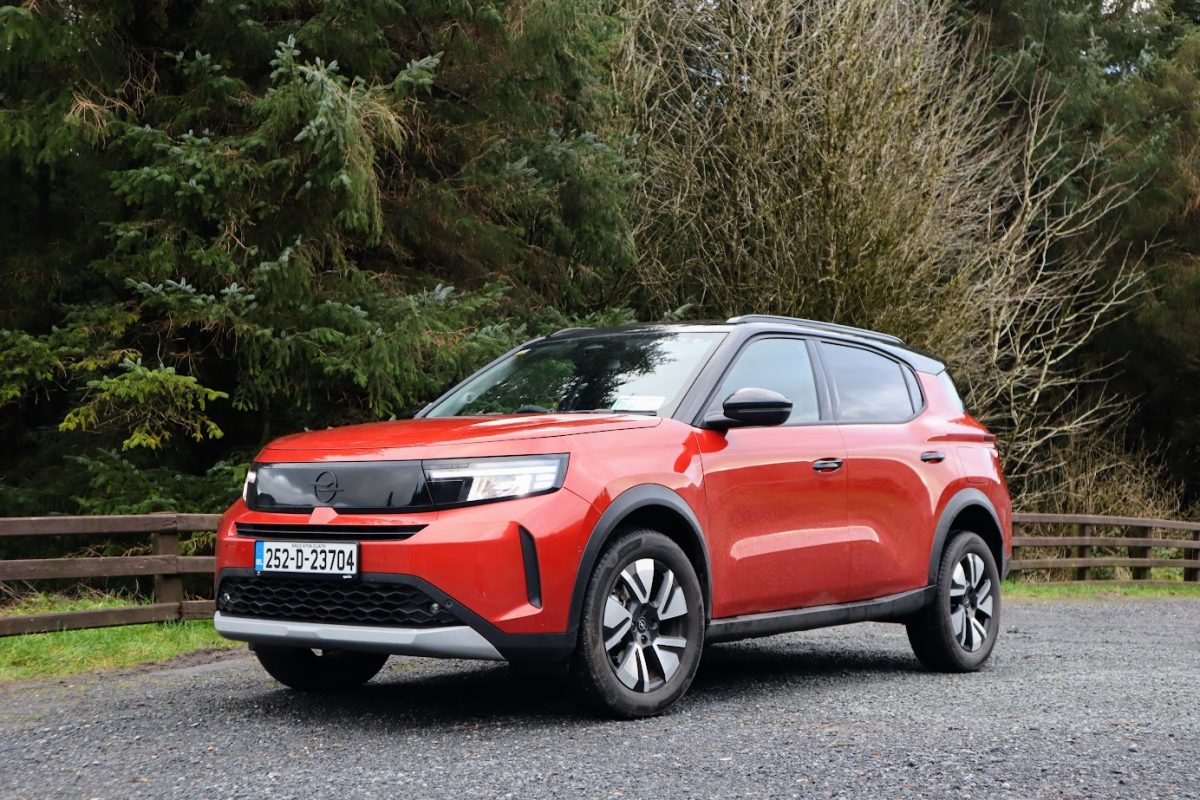
Opel Frontera Hybrid Review
Read Caroline's Opel Frontera Hybrid review for everything you need to know about buying Opel's new compact SUV in Ireland.
What is the Opel Frontera and how much does it cost?
The Opel Frontera, once the 1990's classic 4x4, returns as a trendy, compact SUV that offers a bit more space, value and practicality than the popular Opel Mokka.
It's available as a full battery electric vehicle or a fuel-efficient hybrid, which is the subject of my review.
The new Opel Frontera Hybrid starts from €27,995 in the entry level SC, from €30,095 for the Elegance and from €32,095 for the GS 100hp (or €33,095 for the GS 136hp tested here).
Opel Frontera Design
The new Frontera is very much a B-segment compact SUV. But on space it definitely competes on the upper end alongside the Dacia Duster, for instance. There is a sister car from the Stellantis Group, the Citroen C3 Aircross, which is built on the same platform and offers the same powertrains. They are very similar in their overall shape. But the unique styling at the front and rear helps to distinguish them, as well as different colours and alloy wheel designs.
The Frontera's bold, chunky styling looks great finished in Kanyon Orange. Elegance and GS models both get the same 17-inch alloy wheel design. GS versions also stand out with a silver skid plate front and rear, black side mirror caps, black roof, rear privacy glass and roof bars. It’s a friendly and fun-looking Opel and offers a more compact and affordable offering than the larger Opel Grandland.

What’s the Opel Frontera like inside?
The new Frontera has quite a plain interior, but it feels sturdy and well-built. I do think it’s nicer than a Duster inside, being not quite as utilitarian. The C3 Aircross is arguably a bit more fun with more fabric finishes in the dash, however you may prefer the Opel’s more traditional instruments. For example, the digital driver display in front of you and on all but the entry model a simple touchscreen that has wireless Apple CarPlay and Android Auto. Opel has included proper buttons and switches underneath for the things like the climate control so it's very easy to interact with while driving.
Equipment levels are good, though the very SC entry model is best avoided. Elegance and GS versions come with a reversing camera, automatic climate control, heated front seats, heated steering wheel, wireless smartphone charging and brilliant ergonomic seats. There's also a handy heated windscreen for frosty mornings.
The only thing missing is height adjustment for the front passenger seat, which would provide extra comfort.
What’s it like in the back?
The Opel Frontera is very practical with loads of legroom and headroom for passengers. It's one of the most spacious B-segment SUVs on sale. Even the middle seat passenger will find a place to rest their feet quite comfortably. There are also Isofix points on the two outer seats, pockets in the backs of the front seats, two USB-C ports and a 12-volt socket.
What about the boot?
Really good. There's 460 litres, which is same as Kia EV3 from the class above and bigger than that of the Toyota Yaris Cross Hybrid. The rear seats can also split fold 60:40. There is a false floor to help create a flat sill for easy loading.
Is the Opel Frontera Hybrid cheap to run?
The Frontera Hybrid uses a 1.2-litre three petrol engine with hybrid assistance and a 6-speed automatic. It doesn't need to be plugged in but can run on its electric motor for up to 50% of the time in town driving for instance, which helps overall fuel economy. It can be a little slow to react at low speeds in town but refinement improves dramatically as you gather speed and get out of town.
Opel quotes fuel consumption of 5.3 litres per 100 kilometres for this model and over a week of driving my average was 5.5, which indicates it's a very fuel efficient car in real world driving. Motor tax is €190 per year for this model.

What does it drive like?
The 1.2 hybrid is available with 100hp or 136hp. I tested the 136hp version and it doesn’t feel slow at all, with the 0-100km/h sprint completed in 9 seconds. Acceleration is smooth and easy via the electrified automatic gearbox.
The Frontera drives very well in fairness. Opel is very proud of the way it tunes cars despite sharing platforms and powertrains with many other models from the Stellantis Group. There is a nice firmness to the steering so it avoids the light, floaty feeling on the road that can blight cars like this. There's plenty of grip too and overall it handles very well for what it is.
It's comfortable too, offering a cushioned ride over rough surfaces and ramps in town driving. It loses some of its composure at high speeds on the motorway, becoming noisier. An Astra or Grandland would be a better choice if you plan to do a lot of motorway driving.
What's the verdict?
The Opel Frontera Hybrid is a brilliant addition to Opel's range in Ireland and offers buyers a practical and good value option. It's a cheerful and fun compact SUV, and very fuel-efficient. If you’re thinking of buying one, I’d say go ahead and do it.
Opel Frontera Hybrid Video Review
Watch my video review of the Opel Frontera Hybrid to find out if it's worth the money and my real-world experience with the car on Irish roads.
https://www.youtube.com/watch?v=llPduQ2CivQ
_______________
Written by Caroline Kidd
Founder and Editor of Changing Lanes, Juror for Irish Car of the Year

Opel Mokka GSE Review | Mokka with performance!
Read Caroline's Opel Mokka GSE review for everything you need to know about buying Opel's new high performance electric crossover.
The current generation of the Opel Mokka first arrived in Ireland in 2021 and marked a bold new design direction for the German car brand. The Mokka's chunky compact crossover looks and electrified powertrains struck just the right chord, propelling it to the top spot among Opel's bestsellers.
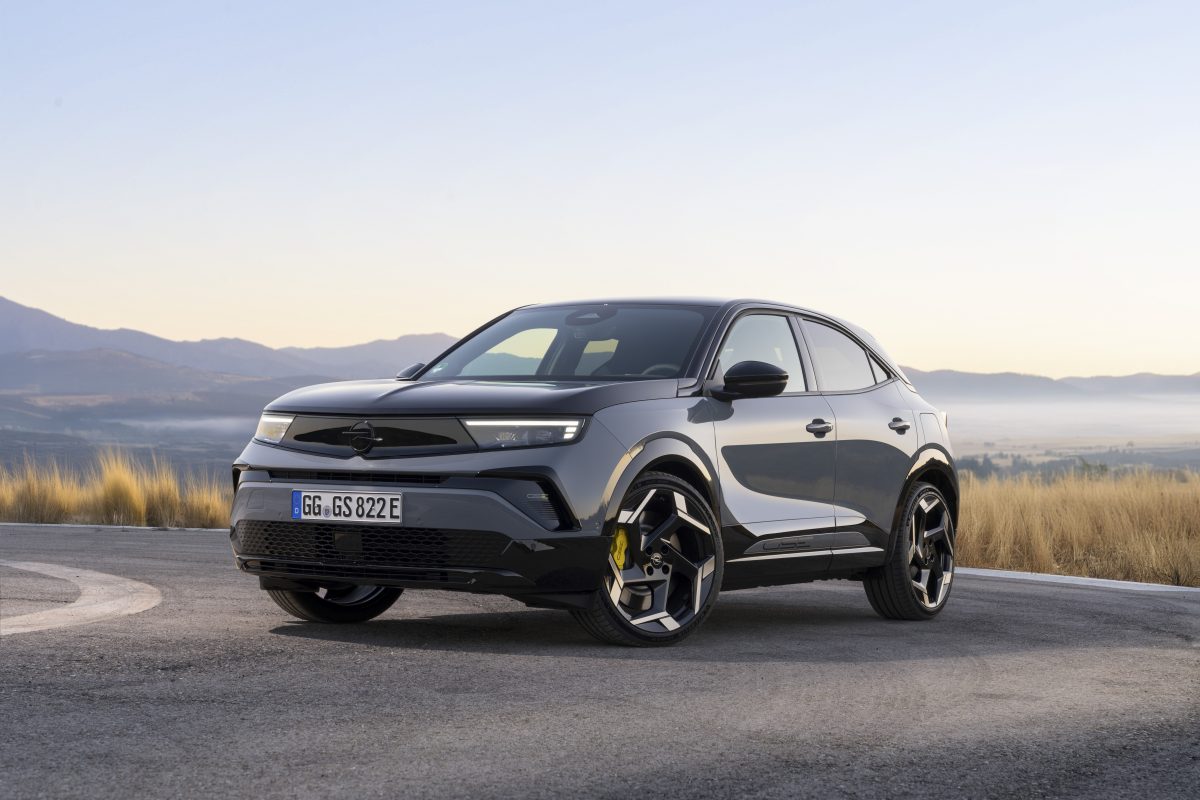
Following a facelift earlier this year, Opel has now unveiled the most electrifying Mokka yet. The new Opel Mokka GSE is a battery-powered hot hatch version of the popular crossover with a whopping 281hp and numerous performance tweaks.
Caroline travelled with Opel Ireland to the historic Jarama circuit just outside Madrid to drive the new Mokka GSE.

Design
The new Opel Mokka GSE sits lower and wider than a standard Mokka giving it a more purposeful stance. The Mokka still looks modern and fresh in its segment with signature black panel connecting sharp LED lighting, with matrix LED headlights as standard for the GSE. Sporty gloss black trim finishes off the front and rear of the car, along with signature GSE badging.
There is a choice of six colours and a contrasting black roof comes as standard. A black bonnet is available as an option.
The wheels are a highlight: 20-inch alloys with yellow brake calipers and Michelin Pilot Sport EV tyres. There is the option to upgrade to slightly more efficient Goodyear Eagle F1 tyres.

Opel Mokka GSE Interior
Inside, Opel has taken quite a restrained approach with a sombre black and grey colour palette. It would be nice to see some bolder splashes of colour. However, the seats are a highlight of full Alcantara with integrated headrests and yellow stitching. The steering wheel also gets a sportier design than the standard car, being flat at the top and bottom. There are also Alcantara door inserts that add a plush feel. The whole thing feels solidly built.
There is a 10-inch digital driver display and touchscreen, just like the standard car. However the GSE adds a special performance menu and data like G-force display, acceleration values and battery management info. Wireless Apple CarPlay and Android Auto are also included.
Being the top of the range Mokka, the GSE gets a full suite of equipment features including wireless smartphone charging, heated front seats and heated steering wheel.

Practicality
The Mokka has a modest sized boot at just 310 litres though the two position boot floor adds some flexibility and means the charging cables can be stored underneath. The rear seats can also fold down. It is small in the back but children should be fine. There are USB-A ports and Isofix points on the two outer seats.
Battery and range
The Mokka GSE uses the same 54kWh battery (51kWh usable) as the standard Mokka Electric. However, combined with a more power electric motor (281hp), range takes a hit to just 324 kilometres (WLTP), down from 406 kilometres. Add the optional Goodyear tyres and that increases to 336 kilometres.
Driving the Opel Mokka GSE
Engineered in Russelheim, Opel has had a proper go at making the Mokka GSE a sporty car to drive. Inspired by the Opel Mokka GSE Rally car, the road-going version shares the same high performance motor. Power jumps dramatically from 156hp to a mighty 281hp. With 345Nm of torque, the Mokka GSE can sprint from 0–100km/h in 5.9 seconds. There are Sport, Eco and Normal drive modes, but it's only in the Sport mode where the full power becomes available.

Power is sent to the front wheels and Opel has added a Torsen limited slip differential to make that as smooth as possible. However, it still isn’t immune to a tug of torque steer when you launch it hard from a standstill.
The brakes and tyres have also been beefed up, and the stopping power is reassuringly strong. The chassis has also been tweaked with a new rear axle design contributing to increased stiffness that means the car boasts incredibly tight body control through bends. Combined with a new steering rack for more direct feel, and the the Mokka GSE handles with surprising precision.
The suspension gets new hydraulic bump stops that give just the right balance between comfort and sportiness. The car rides firmly as expected from a performance car, but doesn't crash around the place either and stays composed over broken surfaces.
Charging
The Mokka GSE has 11kW AC charging and vehicle to load capability from its charge port. DC fast charging is up to 100kW, which gives a 20-80% charge in about 24 minutes.
Opel Mokka GSE Video Review
Opel Mokka GSE Price
The Mokka GSE will be a special order model for Ireland, with pricing to be announced early in 2026.
Verdict
Compact electric performance cars are starting to become a thing with the likes of the Alpine A290, Smart #1 Brabus and Alfa Romeo Junior Veloce being some of the notables.
Now Opel is tapping into its performance past and rally interests to bring something exciting to the Mokka range. The Mokka GSE is thankfully much more than just a body kit and the performance upgrades are both extensive but also worthwhile if Opel is to convince buyers it's serious about this.
There is a compromise to range and the GSE will no doubt carry a premium. But it certainly proves a point: Opel can create a very good performance electric car.
_______________
Written by Caroline Kidd
Founder and Editor of Changing Lanes, Juror for Irish Car of the Year

Opel Grandland Electric Review
Read Caroline's Opel Grandland Electric review for everything you need to know about buying Opel's new compact SUV in Ireland - from pricing and range, to design and practicality.
The Opel Grandland returns with striking new styling, a fresh platform and a fully electric powertrain that brings it right up to speed with growing demand for EVs, along with mild hybrid petrol and plug-in hybrid versions.
New Opel Grandland Electric starts from a competitive €39,065 (SC trim), undercutting even the mild hybrid petrol version, which starts from €40,995.
Following on from the launch late last year in Russelheim, Germany, I've had a chance to spend longer with the Opel Grandland Electric on Irish roads to test its range, efficiency, comfort and practicality in daily life.
Let's take a closer look.

Design
The second-generation Grandland has grown in size and presence. It’s now longer, wider, and taller than before, giving it a more commanding stance on the road. Opel’s new design language, already familiar from the latest Astra and Mokka, gives the Grandland a sharp, modern edge. It has a clean, cohesive look with premium touches like hidden door seals and a distinctive bonnet crease that can be seen from the driver’s seat.
A range of colours is available, including the eye-catching Impact Copper. But even more subdued tones like my black test car look elegant. 19-inch alloy wheels come as standard, with GS models receiving a more attractive design. Lighting is a standout feature — the new '3D Vizor' design integrates the LED headlights beautifully. For the first time ever, Opel’s illuminated blitz logo appears on top-spec GS models.
Around the back, the design remains sharp with a neat ‘compass’ layout linking the horizontal taillights with a vertically placed third brake light. The Grandland has grown up in all the right ways and has a much stronger design identity than it did before.
Opel Grandland Interior
There's been quite a transformation inside the Grandland too. The black and grey theme gives a lightness to the feel and there are plenty of soft fabrics including very comfortable seats.

All versions come with a new 10-inch touchscreen with wireless Apple CarPlay and Android Auto, while GS models upgrade to a larger 16-inch screen. Storage is well thought out, especially in the GS, which features a special ‘pixel box’ — a clever compartment to tuck away your phone while it charges wirelessly.
Features like a reversing camera, heated front seats and heated steering wheel are available as you go up the trim levels.
What size boot does the Opel Grandland have?
The Opel Grandland Electric offers a generous 550-litre boot, placing it among the best in class - similar to a Volkswagen ID.4, yet bigger than a Nissan Qashqai. Even better, this boot capacity is consistent across all versions — electric, petrol or plug-in hybrid.
There’s a false floor to create a flat loading area, which makes packing larger items that bit easier and charging cables can be tucked away underneath. For a powered tailgate, the Elegance version currently includes this as standard. However, the boot lid is not too heavy so don't let the absence of one on other trims put you off.

Practicality
Passengers will find plenty of legroom in the back thanks to the longer wheelbase compared to the previous Grandland. There are Isofix points on the two outer seats. GS trim adds a third Isofix mount to the front passenger seat. Only GS versions get a centre armrest, as well as handy map and smartphone pockets in the back of the front seats.
The rear seats split 40:20:40, offering flexibility for through-loading.
What is the range of the Opel Grandland Electric?
The Opel Grandland Electric uses a 73kWh lithium-ion battery (usable capacity), offering a WLTP range of up to 523 kilometres. Energy consumption is rated at 16.9 to 17.3 kWh/100km. During my summer test, I averaged 17.6kWh per 100 kilometres, which translates to real world range of about 415 kilometres, though that's likely to be less in a cold winter. There's no heat pump to improve the heating of the cabin in cold weather, however it is possible to pre-heat the cabin while you are still parked up and charging before you leave on a cold morning.
A larger battery version is expected at some point with close to 700 kilometres of WLTP range.
Driving it
The Grandland Electric is built on parent company Stellantis Group’s new STLA Medium platform, shared with the latest Peugeot 3008. It's powered by a 210hp motor driving the front wheels, delivering 345Nm of torque and a 0–100 km/h time of around 9 seconds. You can choose between Normal, Sport, and Eco drive modes. There’s also a ‘B mode’ with paddles behind the steering wheel for enhanced regenerative braking, handy for town driving.
The new Grandland feels reassuringly solid and composed on the road. It’s particularly quiet on the move, helped by an acoustic windscreen and the natural silence of the electric powertrain. Steering is light — great for parking and town driving — and it corners with accuracy too.

Opel has given the electric Grandland a more sophisticated multi-link rear suspension setup compared to the petrol version’s torsion beam. There's also Frequency Selective Damping, allowing the suspension to adapt to road conditions for a better balance between comfort and agility.
The Grandland Electric's extra weight and slightly firmer ride is noticeable however when bumps or imperfections in the road surface are encountered. But it never gets too noisy or unbearable.
Charging
The Opel Grandland Electric comes equipped with an 11kW onboard AC charger. For faster top-ups on the go, DC fast charging up to 160kW is supported. At a 100kW fast charger, Opel says you can expect a 20-80% charge in about 30 minutes.
Opel Grandland Electric Price
The Grandland Electric currently undercuts the petrol mild hybrid on price, and there's no confirmed pricing yet for the plug-in hybrid. Grandland Electric starts from €39,065 in SC trim, from €40,936 for the Elegance and from €43,763 for the GS, so does represent good value for money.

Verdict
The new Opel Grandland is handsome and well put together, but it's the generous boot and rear passenger space that really makes it a practical choice. Albeit you need to go up the trim levels to get the better equipped versions, but Opel's keen pricing to launch this new model, particularly for the Grandland Electric, still makes it a hard one to ignore.
Speaking of which, the Grandland Electric doesn't particularly shine for efficiency or rapid charging, but provided you're not pounding up and down motorways all day requiring frequent battery top-ups on the go, that's not such an issue and the powertrain does bring a lot of refinement.
Opel has been refreshing its line-up in the last few years to great effect with the new Astra and Mokka really leading the charge when it comes to sharp contemporary design backed up by new electrified powertrains. A new Frontera is due shortly too, which will add something interesting to the mix. The new Grandland looks and feels now like a larger Mokka, but with even more luxury and refinement inside. So if you're fan of the Mokka, you might really like this one too.
_______________
Written by Caroline Kidd
Founder and Editor of Changing Lanes, Juror for Irish Car of the Year

Opel Combo Cargo Review
Read Caroline's Opel Combo Cargo review for everything you need to know about buying Opel's compact van in Ireland.
Opel is currently fifth in sales of new light commercial vehicles in Ireland, driven by the Combo, Vivaro and Movano vans.
In the compact van market, the Combo goes up against rivals like the Peugeot Partner, Ford Transit Connect, Citroen Berlingo and Volkswagen Caddy. It's available in two different lengths with the choice of diesel or electric powertrains.
The new Combo goes on sale priced from €26,495. This year it's been refreshed so it was time to take a closer look to see what's new.

Design
The Combo has been updated this year with Opel's new Vizor face like its newest passenger cars. The key difference is a new black panel that stretches the width between the front headlamps and bears the German brand's blitz logo. A new feature is Opel's adaptive Intellilux matrix LED headlights, unusual for the van world. In fact the Combo is the first of the Opel LCV range to get them. They come as standard on the Sportive trim level. The base level Komfort model comes with standard halogen headlamps and handy high beam assist.
The Combo comes in two lengths: L1 and L2. There are four paint colours to choose from: Icy White, Kiama Blue, Quartz Grey and Black. Sportive models also come with body colour door handles, body colour front and rear bumpers, and body colour rail covering and moulding.
Komfort trim includes 15” steel wheels for the L1 and 16-inch for the L2. Sportive models come with a 16-inch steel wheel with full diameter wheel trim.
The L1 comes with a manual sliding door on the left hand side of the van, while the L2 has sliding doors on both sides.

Opel Combo Interior
The latest Combo introduces a new full digital driver display and the option of a 10-inch colour touchscreen with wireless Apple CarPlay and Android Auto (standard on Sportive). The base set up is a smartphone mount with an app that can be downloaded for navigation and music.
It's easy to get comfortable behind the new squared off steering wheel and the driver's seat includes lumbar adjustment. There's also a two-seat passenger bench though it will be tight for anyone in the middle because the gear selector housing eats into the space.
Black cloth trim comes as standard and the cabin feels well put together. Other standard features include manual air conditioning, cruise control and rear parking sensors though only the Sportive comes with a reversing camera. The ventilation controls include buttons and dials so it's easy to adjust while driving.
There's loads of interior storage space including a hidden compartment under the front passenger seat. The passenger seat can also fold down and be used as a table tray. A solid bulkhead separates you from your cargo.
What is the carrying capacity of the Combo Cargo?
The Combo Cargo has up to 3.8 cubic metres of storage space in the L1 and up to 4.4 cubic metres in the L2. The maximum load length is up to 3090 square metres for the L1 and up to 3,440 square metres for the L2. Towing capacity is up to 750 kg. The L1's payload is 665kg and 953kg for the L2.

Driving the Opel Combo
Diesel accounts for the lion's share of new van registrations in Ireland at just over 95% of the light commercial vehicle market. As such, the Opel Combo Cargo comes with a 1.5-litre turbo diesel engine with 100hp and a six-speed manual gearbox. There's no diesel automatic on offer. But the Combo is available as an electric van, though it's a lot pricier than the diesel.
The diesel has plenty of torque and is not too unruly to drive. The Combo is comfortable and refined by van standards and will cruise up and down motorways all day long. It also has handy driver assistance features as standard including traffic sign recognition, lane keep assist and driver attention alert.
What is the fuel consumption of the Opel Combo?
Fuel economy is rated between 5.4-6.0 litres per 100 km and my real world economy over a few days driving was 5.5 litres per 100 kilometres.
Opel Combo Pricing
The Combo diesel starts from €26,495 in Komfort trim for the L1 and from €27,795 for the L2. In Sportive trim that's from €28,895 for the L1 and from €30,295 for the L2.

Verdict
The Combo Cargo is Opel's bestselling van in Ireland and in its diesel spec it's a good value option with generous load space for a compact van and numerous practical features. The cabin is comfortable and really benefits from the update with the digital driver display and touchscreen definitely worth speccing for people on the move. It's a comfortable and smooth handling van, with plenty of handy driver assistance features for safer driving.
_____________________
Written by Caroline Kidd
Founder and Editor of Changing Lanes, Juror for Irish Car of the Year

Opel Frontera Review
Read Caroline's Opel Frontera review for everything you need to know about Opel's new compact SUV ahead of its arrival in Ireland in 2025.
The Opel Frontera made its name in the 1990s as a rugged SUV for the German car brand. Now Opel has revived the name for its newest SUV.
The new Frontera is a friendly-looking compact SUV that will be available as a petrol hybrid or as a full battery electric vehicle. Five seat versions are standard but in time Opel will offer a seven seat option, which will boost its appeal in the Irish market among family buyers.
Caroline was in Majorca with Opel Ireland to drive it.

Design
The new Frontera is a substantial car. In length, it fits between the Opel Mokka and the newly launched Grandland. It's the more rugged, spacious sibling to the Mokka with chunky, boxy styling that's on trend, but also means it has a highly practical interior. It effectively replaces the Opel Crossland, which was quite ordinary. The same cannot be said of the new Frontera, which is brimming with attitude from the get go.
The Frontera is built on a new platform from parent company Stellantis Group that will underpin more budget-friendly models going forward like the new Citroen E-C3, C3 Aircross and Fiat Grande Panda. But the Opel DNA is strong in this one. It has the bold 'Vizor' face that has helped to revive the brand over the last few years with striking black panel connecting sharp LED lighting now found across the Opel range.
Simplicity is key to the Frontera with launch models including just the Frontera Edition and Frontera GS. The GS is more polished with 17-inch alloy wheels and the blitz logo finished in black. The Edition model shown to us at the launch is likely to feature in Ireland as the entry level SC trim. It's not to be sniffed at and the 16-inch white-painted steel wheels are enviably cool.
There will be six colours. A white or black contrasting roof is also available.

Opel Frontera Interior
The Frontera is positioned as a more budget model within the Opel range and should be priced as such. So the cabin is quite plain and sparse on soft touch materials. But the plastics and trims used give it a robust feel and it avoids looking cheap and nasty. The fabric seats are also a saviour with their finish and good comfort levels.
All versions will come with a full digital driver display and a 10-inch touchscreen is also available though it may not be standard on the very entry level trim in Ireland - that's yet to be confirmed. There are physical buttons for the ventilation and heating. The cabin is simple and easy to interact with. The passenger seat has no height adjustment so anyone travelling with you might miss this feature.
While Irish specs are yet to be confirmed, available features include automatic climate control, parking camera, wireless smartphone charging, Apple CarPlay/Android Auto and plenty of USB-C points.
Practicality
The Frontera feels really spacious in the back, particularly when it comes to legroom. It still is quite a narrow car in line with most B-SUVs, but the outer rear seats are very accommodating and come with Isofix child seat fixtures. It sits on a longer wheelbase than the Crossland and feels considerably more spacious than the Mokka. The rear seats also split fold 60:40.
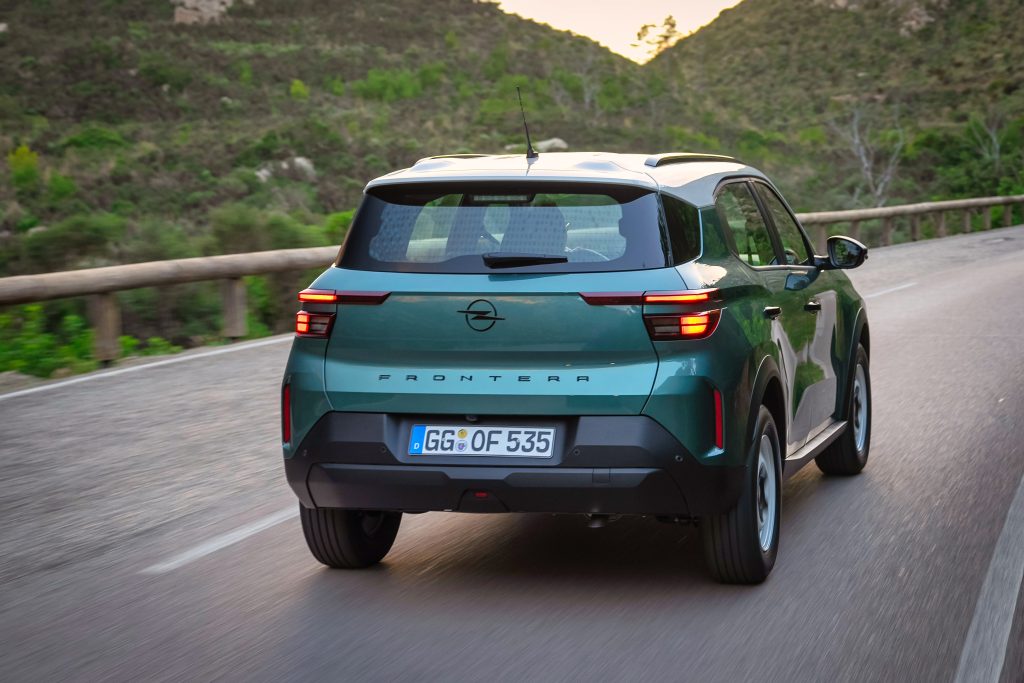
The boxy shape also gives it generous boot space, all 460 litres of it, which is bigger than both the Mokka and Astra though a little way off the new Dacia Duster. There's also a movable boot floor that can be used to create a flat loading sill or let down to enjoy all the space.
A seven seater option is on the way too, which will really boost the appeal of the Frontera.
Driving the Frontera
The Frontera is offered with choice of hybrid or electric. The hybrid is the same as what's used in other Opels like the Grandland and Corsa Hybrid and based around a 1.2-litre petrol engine. It seems to suit the Frontera better than any of them. Yes it whirrs and purrs at low speeds but when cruising it's very quiet and refined. Relatively smooth to drive too with its electrified six speed automatic transmission. It can post some good efficiency figures, as low as 5.2 litres per 100 km.
It's not a very heavy car, weighing less than 1500kg, even the Frontera Electric. This helps the efficiency of the vehicle. Built on the Stellantis Group's 'Smart Car' platform, the Frontera might be lightweight in the grand scheme of things, but the extra heft of the Frontera Electric gives it an even more planted feel through bends. It's fun to drive with Opel engineers focused on tweaks to improve body control. The steering is not overly light either so it feels tighter and more composed than a Duster.

The Frontera Electric uses a 44kWh LFP battery, chosen to make the car more affordable and for its durability. At launch, it will be offered with a range in the region of 305 kilometres. Though in time Opel will add a version that can go in the region of 400 kilometres between battery charges. DC fast charging up to 100kW is also included. Not exceptional but will allow a 20-80% charge in 26 minutes.
Really it's a runabout car or one for short commutes. It's not one to pound up and down the motorway every day. That's why the Frontera Electric will be suitable for many, even in its most basic form.
Both the hybrid and the electric are very comfortable and smooth riding so it's a relaxing car to drive. The hybrid is a tad more lively to drive, offered in both 100 and 136hp variants. The Frontera Electric's 113hp motor powers the front wheels but it's the slowest of the range with 0-100 in a leisurely 12.1 seconds.
Opel Frontera Pricing
There's no confirmation of price yet for the Irish market but we expect it to be keenly priced and offer better value for money than the more style-focused Mokka.

Verdict
The Opel Frontera is one to watch. The market needs practical, spacious family cars so badly right now. Being nice to look at, comfortable and fun to drive is a bonus. But the Frontera has all this, with a tonne of attitude and charming amounts of space and practicality in its boxy shape. The hybrid and electric versions are both viable options too, though the petrol hybrid feels a bit more lively and appealing overall based on this first drive. It's hard to give the Frontera a definitive verdict without pricing, but if it's priced well Opel will have a great car to offer in 2025.
_______________
Written by Caroline Kidd
Founder and Editor of Changing Lanes, Juror for Irish Car of the Year
Opel Frontera Electric Video Review
Watch a video review from the launch in Majorca. I take a closer look at the new Frontera Electric and take it for a drive in the mountains to check out its performance.

Opel Corsa Hybrid Review (2024)
Read Caroline's Opel Corsa Hybrid review for everything you need to know about buying Opel's small hatchback in Ireland.
When the current generation of the Opel Corsa launched in Ireland in 2020, it was a big step up from the model it replaced. Sharing engines and underpinnings with the Peugeot 208, it was launched at the start of a renaissance for the German car brand and was followed by new generations of the popular Mokka and Astra.
Opel's resurgence continues this month with the arrival of the new Grandland, which will be followed in the new year by the Frontera, now a small SUV that will be offered as both mild hybrid and fully electric.
The Corsa is Opel's bestseller in Ireland at the moment, so it's still a very important car for the brand. Four years on from its launch, it's time for a refresh and the introduction of the new Corsa Hybrid.
Let's take a closer look.

Design
Smart and compact, the Corsa is quite an adorable little thing. Especially finished in a bright colour like Hot Red. The Corsa has had a significant facelift for 2024 that brings it in line with other models in the Opel range like the Mokka, Astra and Grandland. It now features the brand's 'Vizor' face - the black panel stretching between the lights with the Opel blitz logo in the centre. It gives the Corsa a stronger presence than before.
It's business as usual elsewhere. The GS bestows a little more personality on the Corsa. This top of the range model gets a black contrast roof, gloss black trim in the front bumper, 17-inch black alloy wheels and blacked out Opel blitz logo.
The standard wheel size on the entry level SC and Elegance model is 16-inch. LED headlights come as standard.
Opel Corsa Interior
The Corsa's interior is simple and functional. Every Corsa now has a 10-inch touchscreen as standard with wireless Apple CarPlay and Android Auto. The GS model also gets a 7-inch digital driver display. The infotainment system is easy to use, while Opel has held on to traditional dials and buttons for the heating and ventilation.

There's a small switch on the centre console to flip between forward and reverse in the new Corsa Hybrid and a button for the electronic parking brake release.
All versions come with fabric seats, though the GS gets a sportier style. Manual air conditioning and cruise control are standard across the range. The GS model adds niceties like heated front seats and a rear view camera.
The Corsa is on the smaller side of the supermini class. In the back you will fit adults from time to time, but legroom will be tight. The boot is also on the small side at 309 litres - but a bit bigger than full hybrid rivals and just enough space for a small suitcase and a few bags.
Driving the Corsa Hybrid
The big news is that the Corsa is now available for the first time as a hybrid with 48-volt technology. It uses a lithium-ion battery that can charge automatically and turbocharged 1.2-litre three-cylinder petrol engine.
It also offers more power than the standard petrol Corsa (100hp vs 75hp) and feels livelier and more robust on the road, going seamlessly from town to motorway driving. The engine is coupled to a new electrified six-speed dual clutch automatic transmission and a 28hp electric motor.

In town and city driving at low speeds, it's possible to drive up to 50% of the time purely electrically. So in stop/start driving in traffic for instance, the Corsa can power itself from its electric motor without calling on the engine.
The system is not completely silent and whirrs and purrs, but it's a clever system all the same. During deceleration, the petrol engine stops and the e‑motor acts as a generator to recharge the hybrid system's 48V battery.
In mixed driving, including motorway runs, my average consumption was 5.0 litres per 100 kilometres, so it can certainly take on hybrid rivals like the Toyota Yaris Hybrid, MG3 and Renault Clio Hybrid for efficiency, particularly in town driving. Motor tax is €190 per year.
Otherwise, the Corsa is a lively and athletic drive. The steering has enough weight in it to feel solid on the motorway and through bends. There are also Eco, Normal and Sport driving modes to choose from.
It feels less comfortable out on the motorway and there's no getting away from the road and wind noise, but it does well in town and on rural roads.

Opel Corsa Pricing
The Corsa Hybrid is available in Ireland from €29,695 in SC trim, from €30,795 for the Elegance and from €31,695 for the GS. For reference, the petrol manual range starts from €25,095.
Verdict
The new Opel Corsa Hybrid gives the Corsa a little more pep in its step when it comes to power, the handiness of an automatic particularly in stop/start town and city driving, while also being an efficient choice. It does come at a premium however over the standard petrol Corsa for what is still a small car.
On the road, it's nifty to drive and clever too with its ability to run from its electric motor in small stints. In this way it's well suited to town driving. That's where its dinky dimensions do shine. So if you're looking for a small hybrid car, it's definitely worth a look.
_____________________
Written by Caroline Kidd
Founder and Editor of Changing Lanes, Juror for Irish Car of the Year


Opel Grandland Review (2024) | Hybrid and BEV tested
Read Caroline's Opel Grandland review for everything you need to know about buying Opel's new SUV in Ireland.
The second generation of the Opel Grandland will arrive in Ireland this November and marks a fresh chapter for Opel's compact SUV. It will now lead Opel's SUV line-up that includes the popular Mokka and upcoming relaunch of the Frontera.
Built on a new platform, the new Grandland will be available as a plug-in hybrid, petrol mild hybrid or full battery electric. Pricing for the mild hybrid has already been released, with the range to kick off from €40,995.
Caroline travelled with Opel Ireland to Russelsheim, the home of Opel, to find out more!

Design
Grandland has grown up and gotten bigger in all directions. The new car is longer, wider and taller than the model it replaces, giving Grandland a 'grander' presence than before. At the front, Opel is making a bold statement with the new '3D Vizor' that really makes a feature out of the Grandland's LED lighting. Top of the range GS models even have an illuminated Opel blitz logo for the very first time. The Intellilux HD headlights are another highlight and have over 50,000 pixels for greater clarity and safety in night driving.
The entry into the range will be the SC, followed by the Elegance model and topped off by the GS. The standard wheel size for Ireland will be 19-inch, with the option to upgrade to 20s.
At the back, O P E L is now spelt out across and illuminated. Electric versions get a gloss black finish to the wheel arch cladding and lower sills. There are a range of colours available. Impact Copper and Spectrum Green are new, which give the Grandland a smart, sophisticated presence. GS models come with a contrasting black roof and rear privacy glass.
Opel Grandland Interior
The outgoing model was starting to look dated inside so the new Grandland gets a timely upgrade. The horizontal design and high centre console give it a more mature feel than any other model in the Opel range. Opel has introduced more plush fabric materials in the door panels and dashboard, though there is a harder plastic material used on the top of the dash and side air vents. There's also a new steering wheel design, which is on the plain side but does feature easy to use buttons.
Behind the steering wheel is a new full digital driver display with a slim design. The central screen also has a slim rectangular shape and comes in two different sizes: 10-inch for SC and Elegance, and 16-inch for the GS. Like in the Astra, there are proper buttons underneath the screen to adjust the climate control settings like the fan speed and temperature. There's also a new 'Pixel Box' feature that allows you to put your phone safely away to avoid distraction while driving. In GS models, this includes a wireless charger.
Elegance models come with nice features for the Irish market such as heated steering wheel and heated front seats. The GS model features Opel's AGR front seats with a new indent down the middle of the seat cushion to relieve pressure from the tailbone.

Practicality
New Grandland sits on a longer wheelbase than before, so there is about 20mm more legroom in the back. It feels nicely spacious for children or adult passengers. There are pockets in the back of the front seats including a smaller one for a smartphone. There are also good door bins and a centre armrest with cupholders and a place for a device. The rear seats split fold 40:20:40 as standard. The middle section can be let down for through loading.
The boot does not disappoint with a generous 550 litres, which is among the best in class. Usefully it's the same no matter which model you go for. It has a false floor that can be used to create a flat loading area. A powered tailgate will come as standard on Grandlands for the Irish market in Elegance and GS trims.
Driving the Grandland Hybrid
The first model to arrive in Ireland will be the Grandland Hybrid. It uses Opel's new 1.2-litre petrol mild hybrid with 28 hp electric motor and an electrified 6-speed automatic dual clutch transmission. There is no charging required and in town and city driving it can drive up to 50% of the time on electric power alone. It starts silently in EV mode too. Press the accelerator a little harder and you will hear the familiar thrum of Opel's 1.2-litre three cylinder petrol engine. There's 136hp at its disposal with 0-100 km/h done in 10.2 seconds. But it feels livelier on the road than what those figures might suggest. The official consumption figure for this model is 5.5 litres per 100 kilometres.
New Grandland is built on parent company Stellantis Group's new STLA Medium platform, just like the latest Peugeot 3008. The Grandland Hybrid gets a torsion beam suspension at the rear, compared to the multi link arrangement of Grandland Electric. But it still covers the road well, offering driver and occupants a smooth and comfortable ride. Steering is light and it's not particularly exciting to drive, but the car grips well through corners and so is a confident, capable drive. It settles down well to a cruise on the motorway and the car is very quiet at speed.
Driving the Grandland Electric
While a plug-in hybrid is expected at some point with an EV driving range in the region of 87 kilometres, many buyers may choose to go straight to the Grandland Electric. There are a few battery options on offer, with very respectable range figures: 73kWh (523 kilometres) and 82kWh (582 kilometres). There's also energy saving equipment like a heat pump and regenerative braking, with paddles behind the steering wheel to adjust its strength.
Grandland Electric uses a 213hp motor to power the front wheels and is a teeny bit quicker than the hybrid for a 0-100 km/h sprint in 9 seconds. It's certainly not one geared up for scintillating performance. But it feels reassuringly solid on the road and corners with accuracy too. The Grandland Electric gets a more sophisticated multi-link rear suspension to deal with the extra weight of the battery and it's not too firm or bumpy over the road surface. Opel has also introduced Frequency Selective Damping for the electric and plug-in hybrid. This allows the dampers to react differently to the road surface and driving style for better balance between comfort and a dynamic drive.
DC fast charging is up to 160kW so it takes less than 30 minutes to charge to 80% battery capacity at a fast charging station.
Later a 97kWh battery will join the range with up to 700 kilometres of range.
Opel Grandland Pricing
Opel Ireland has released pricing for the Grandland Hybrid. It starts from €40,995 for the SC, from €42,995 for the Elegance and from €44,995 for the GS. Pricing for the Grandland Electric will be announced in the coming weeks.
Verdict
The new Grandland benefits greatly from its new platform and new technology, including plug-in hybrid, mild hybrid and full battery electric options for the very first time.
Opel has given it more stand-out style, while the cabin benefits from an upgrade in soft furnishings and in-car technology. It's not as glitzy as rivals like a Peugeot 3008 or Renault Austral, but many buyers will appreciate the more traditional controls and layout.
Grandland's new dimensions certainly make it an entirely practical choice with plenty of rear seat passenger space and a big boot.
In a tough segment for compact SUVs, the new Grandland won't rock the boat. But with a pleasant, comfortable driving character and plenty of practical power options, it's a steady step up for Grandland.
Opel Grandland Video Review
Watch a video of the new Opel Grandland with Caroline from the launch in Germany to find out more about its comfort, practicality and equipment features.
_____________________
Written by Caroline Kidd
Founder and Editor of Changing Lanes, Juror for Irish Car of the Year

Opel Astra Electric Review (2024) | Electrifying style in a hatchback
Read Caroline's Opel Astra Electric review for everything you need to know about buying Opel's new compact electric hatchback in Ireland.
The Opel Astra is one of Ireland's favourite compact cars and has been for a very long time. Now Opel Ireland has introduced the all-new Opel Astra Electric, which joins the petrol, diesel and plug-in hybrid already on sale in the Astra range.
Opel expects to be selling just electric vehicles from as soon as 2028 in Europe and has been slowly electrifying key models like the Corsa and the Mokka.
The upcoming new Grandland and Frontera will also feature electric powertrains for the very first time, though they will be sold alongside fuel engine variants for some time to come.
Opel is also promoting some attractive offers for the Astra Electric range this summer. This model usually starts from €39,598 but for a limited time it's available from €34,598.

What's so special about the Opel Astra Electric?
The Astra Electric uses a 54kWh battery that gives a range between 405 and 416 kilometres (WLTP). It rivals other electric hatchbacks like the Peugeot e-308, Volkswagen ID.3, the Renault Megane E-Tech and MG4, and does it in considerable style.
The Astra is a good-looking car and Opel hasn't strayed from its original lines for the electric version. Only real car aficionados will be able to spot the difference - clues include a small 'e' badge on the boot lid, a slightly different front bumper design and unique aerodynamic alloy wheel designs.
Finished in Voltaic Blue, this car is a real eye-catcher. There are three trim levels to choose from - SC, Elegance and GS - with the GS model standing out for its black roof and wing mirror caps, high-tech matrix LED headlights and 18-inch alloy wheels. At the front and back, Opel's blitz logo is blacked out.
The sporty GS model retails from a cool €43,993, but for a limited time is available from €38,993.
Inside, the Astra is a straightforward affair with a simple charm and quality feel that will feel instantly familiar to Astra buyers.

Inside the Astra
Controls are all logically laid out and there is a good balance between digital screens and buttons to pull up menus quickly and adjust the climate control settings. A touchscreen comes as standard across the range and blends into a full digital driver display. Wireless Apple CarPlay and Android Auto are included for seamless smartphone integration.
The fit and finish is good too. There are some exposed panels of scratchy plastics but softer materials too. The Alcantara/leather effect seats in the GS model are a highlight. The driver's seat is AGR approved and is one of the most comfortable and supportive seats in the compact class. The GS model also adds power adjustment, which is a nice feature to have.
Other features include heated steering wheel, heated front seats, 360-degree camera, wireless smartphone charging and a head-up display.
At 352 litres, the Astra's boot will fit a few bags or suitcases but is not as large as that in the petrol and diesel versions. A Megane E-Tech has a larger and deeper boot with a handy underfloor storage compartment for the charging cables. The Astra unfortunately does not have anywhere clever to store the cables and there's no storage compartment under the bonnet either.

There's no change in passenger space inside the Astra so it will sit two adults comfortably though there's not a huge amount of spare legroom on offer. Still it's finished nicely and features a few creature comforts like an armrest and USB-C port for charging devices.
Driving the electric Astra
The Astra Electric uses parent company Stellantis Group’s new 54kWh battery. It's a lithium-ion battery and appears across the company's electric cars. Opel describes it as 'right-sized' for the Astra, without adding excessive weight.
It also gets a different underbody and rear axle design to other Astras, increased torsional stiffness by 31% and measures to make the cabin quieter.
Certainly the Astra Electric feels very natural on the road. It's easy to drive and though it's not quite as athletic as the Astra petrol or diesel, it makes up for it in the sheer smoothness and quietness of the driving experience. Laminated glass and improved insulation ensures a refined driving experience.
Being an Opel it’s also ‘Autobahn-proof’ with well-weighted steering that means it’s easy to keep in lane on the motorway and contributes to a steady, solid feel.

This car is front wheel drive with a 156hp motor, 270Nm of torque and 0-100km/h in 9.2 seconds. It's not blisteringly quick to drive but it doesn't need to be. A bias towards efficiency seems much more sensible at this part of the market.
Drive modes include Sport, Normal and Eco. There's also a B mode accessed through the gear selector for a nice, regenerative braking effect. A heat pump is also included. Consumption can be as low as 14.8kWh per 100 kilometres and that's easy to replicate in real world driving.
The Astra is capable of DC fast charging up to 100kW for an 80% battery charge in 30 minutes. AC charging is possible up to 11kW. You can find your nearest charge points through the navigation system.
Did you like it?
The Opel Astra Electric is a fine effort to power an icon of the compact class using just battery power alone. It feels different yet familiar to its petrol and diesel counterparts. The quietness and smoothness of the drive means it's miles ahead in terms of refinement but the cabin is so conventionally designed that it certainly won't ruffle any feathers.
The Astra does face stiff competition from a line of worthy contenders, the MG4 and ID.3 to name just two. Astra Electric has good looks on its side, familiarity and efficiency. It may not be spectacular enough to challenge the bestsellers, but Opel's current offers certainly make it worth a look.

WATCH A VIDEO REVIEW OF THE OPEL ASTRA ELECTRIC
____________________________
Written by Caroline Kidd
Founder and Editor of Changing Lanes, Juror for Irish Car of the Year

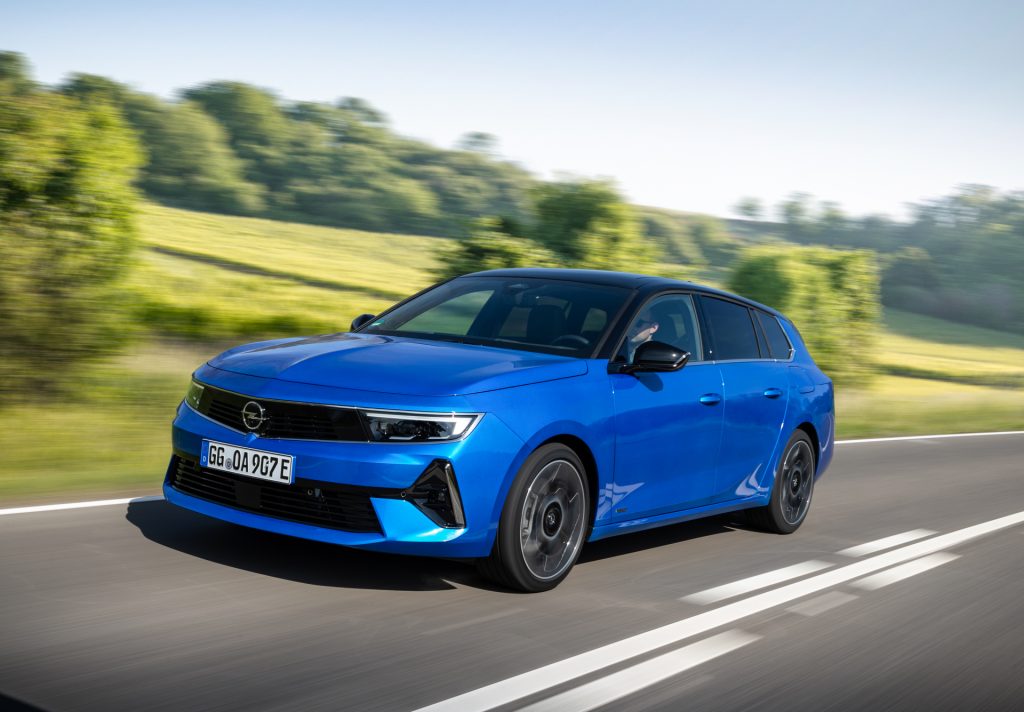
Opel Astra Sports Tourer Review (2024)
Read Caroline's Opel Astra Sports Tourer review for everything you need to know about buying Opel's new compact estate car in Ireland.
The Opel Astra Sports Tourer is a bit of a latecomer to the Astra range, but definitely worth waiting for as it adds a little more space and practicality to the Astra range in the attractive shape of an estate car.
The current Astra has been available in Ireland as a hatchback since 2022. Since then Opel has added electric and plug-in hybrid variants, though the electrified versions don't currently feature in the Sports Tourer range.
Opel's compact estate car is available with the choice of petrol and diesel engines in Ireland, with both fuel types still accounting for significant market share in Ireland.
Let's take a closer look!

Styling
Just like the hatchback, the new Astra Sports Tourer is a handsome car with now familiar Opel design cues like the 'Vizor' black panel grille framed by sharp LED lighting. There are a number of trim levels available - SC, Elegance and GS - that adjust the look somewhat. For instance the top of the range Astra Sports Tourer GS on test adds some sportier styling including more dynamic bumpers, 18-inch alloy wheels with red detail, a black window surround and blacked out Opel blitz logos at the front and rear. Finished in Perla Black, this car has formidable presence. Other eye-catching shades are available including Jade White, Yellow Amber and Hot Red.
Interior
The Astra Sports Tourer has a solid and honest cabin that mixes modern digital screens with more traditional buttons and switchgear. All the controls fall easily to hand and it's a car you quickly feel at home in. There's a driver-focused feel too with a high centre console housing the gear selector for models with an automatic transmission, a touchscreen angled towards the driver and paddles behind the steering wheel for the diesel automatic. It feels well-made with a mix of materials to add interest, though there are some exposed hard plastics in the doors. The seats in the GS are another highlight, finished in suede and leather-effect.
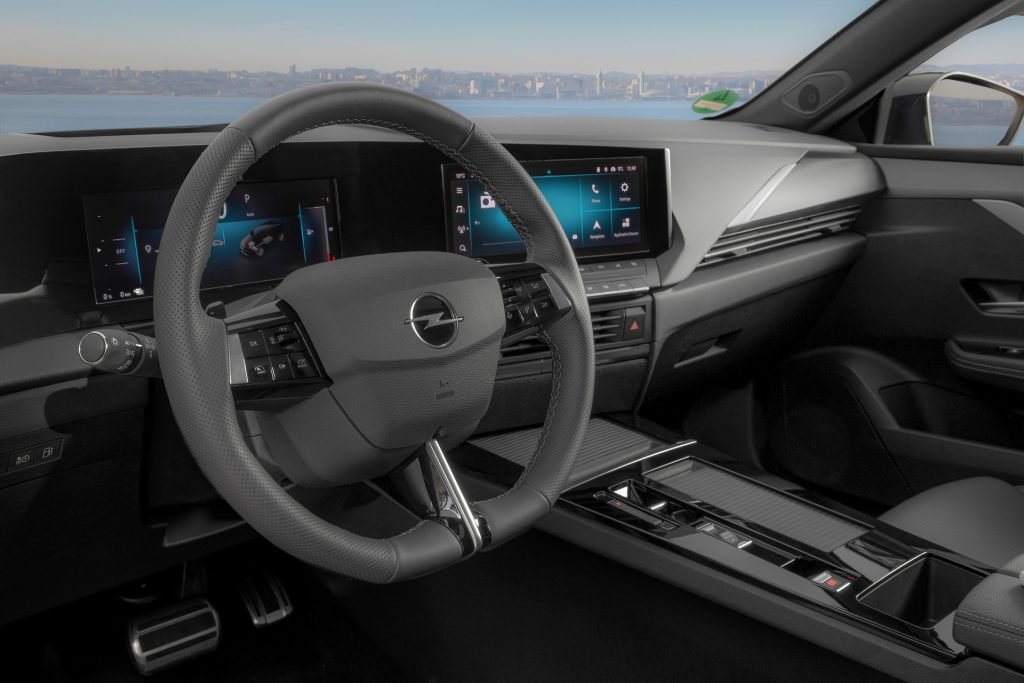
A full digital driver display comes as standard and a touchscreen with wireless Apple Car Play and Android Auto. It all comes together for a fashionable widescreen effect. The ventilation can be adjusted from the screen, with handy buttons underneath to quickly adjust the fan speed or temperature for example. Standard features include adaptive cruise control, keyless entry/start and automatic climate control. The GS has such luxuries as heated front seats, heated steering wheel, wireless smartphone charging and a 360 camera.
Practicality
The Astra Sports Tourer is naturally more spacious than its hatchback sibling. It sits on a longer wheelbase so feels roomier in the back and will be able to sit adults in comfort. The boot volume also expands to up to 597 litres. That's significantly bigger than the 422 litres in the Astra hatchback and similar to rivals like the Toyota Corolla Touring Sports and Cupra Leon Sportstourer. A Skoda Octavia Combi has just about 40 litres more. The Astra's boot has a wide opening and low sill, while the rear seats can also split fold 40:20:40. There's also a retractable boot cover and switches to let down the rear seats.
Engines
The Astra Sports Tourer is offered with a choice of 1.2-litre petrol (110hp) with a 6-speed manual gearbox or a 1.5-litre diesel (130hp) with an 8-speed automatic. Unlike the Astra hatchback, it's not offered as electric or hybrid at the moment.

Driving
I was testing the diesel and it truly impresses in the Astra. It has more than ample performance with 130hp, 300Nm of torque and 0-100km/h in 10.6 seconds. There are a few driving modes like Normal, Eco and Sport, which do adjust the drive somewhat. The Sport mode for instance makes the acceleration feel livelier and weights up the steering for when the roads get a bit twistier. It's a confident handler regardless and offers good refinement levels for a car of this kind, never getting too noisy.
All versions sit on standard suspension, including the GS, so it doesn't ride too firm over the tarmac and is ideally suited to long runs on the motorway.
When it comes to fuel economy, my average consumption over a week of driving was 5.1 litres per 100 kilometres. If you do a lot of motorway miles, the diesel is certainly a good option and the torque suits a car of this size.
As a German car brand, Opel also insists on making its cars 'Autobahn-proof' so it is easy to keep in lane on the motorway and never feels tiring or unwieldy to drive.

Pricing
The petrol manual range starts from €31,295, while the diesel automatic range starts from €38,295. The Elegance is available from €32,995. The diesel GS Line on test has a list price of €43,195.
Verdict
The Opel Astra Sports Tourer is a great addition to the Opel range, and builds on the success of the Astra hatchback with more space and style.
It could make a good alternative to an SUV, being good-looking and practical, well-built and nice to drive.
It also offers a more spacious interior than the hatchback, particularly when it comes to legroom, and the big boot makes it an excellent family car or load lugger. It does get expensive in the top of the range GS trim, particularly as a diesel, but feels like a very complete car in many ways.
While there are no electrified options for now, the diesel Astra still has its merits. With diesel cars seeing a small resurgence in the last few months, this Astra diesel estate is definitely one worth considering if you do a lot of driving, particularly on motorways.
____________________________
Written by Caroline Kidd
Founder and Editor of Changing Lanes, Juror for Irish Car of the Year

Opel Astra Electric Review
Read Caroline's Opel Astra Electric review for everything you need to know about Opel's new electric hatchback arriving in Ireland later in 2023.
The Opel Astra is one of the perennials of the compact class. It's been around for years and now for the first time ever, the Astra goes fully electric.
In 2022, Opel Ireland launched the new Astra here with petrol and diesel versions, followed by a plug-in hybrid. It went on to win Irish Compact Car of the Year 2023.
The new Opel Astra Electric is expected before the end of the year and is powered by a 54kWh battery with a range of up to 418 kilometres (WLTP).
Caroline travelled to Berlin to drive the new Astra Electric.

Styling
The Astra Electric shares the same sharp design as the rest of the Astra range. With the striking Opel 'Vizor' face matched to a bright colour, the Astra Electric really stands out as something quite sporty and exciting on the road. It's a high spec car with a black contrast roof as standard and black wing mirror caps. Other distinguishing features include a small 'e' on the boot lid and a unique front bumper design. The Astra Electric also comes with a special set of 18-inch alloy wheels with an aerodynamic design.
Interior
Inside the Astra Electric feels instantly familiar with a cabin design that is identical to petrol/diesel and plug-in hybrid variants of the classic hatchback. There is a sturdy steering wheel and all the controls are logically laid out. The centre console wraps neatly around you for a driver-focused feel, with the drive selector falling easily to hand with a simple rocker switch. There’s a full digital instrument cluster for the driver and a large touchscreen that’s simple to use, with wireless Apple CarPlay and Android Auto, and buttons for the ventilation.
Like the rest of the Astra range, the driver's seat is AGR-certified so it's very comfortable and supportive, with optional Alcantara trim. The quality and build of the car feels nicely solid. Other features include heated steering wheel, heated seats, 360-degree camera, wireless smartphone charging, and a heads-up display - though final specs for Ireland are not available yet.
Practicality
Opel planned to put a battery in the Astra along with fuel engines from the start of development, so there's no loss to interior space. The Astra Electric hatchback will seat five and provides adequate accommodation for adults and children. However it doesn't feel quite as open and spacious as some electric hatchbacks in the back, like the ID.3 and MG4 that are built on exclusive EV platforms.
Boot volume in the hatchback is the same as the plug-in hybrid at 352 litres. That's fine, though not quite as large as a Renault Megane E-Tech for example (440 litres). But there's also a larger Astra Electric Sports Tourer expected with 516 litres.
Battery
There's just one battery available and Opel pitches it as 'right-sized' for the car, without adding excessive weight. Opel Astra Electric uses a 54kWh battery with up to 418 kilometres of range (WLTP). A heat pump comes as standard to improve the performance of the battery in cold weather.

Charging
DC fast charging is possible up to 100kW giving you an 80% battery charge in 30 minutes. AC charging is possible up to 11kW.
Driving
Opel has made a few tweaks to Astra Electric including a different underbody and rear axle design, increased torsional stiffness by 31%, and measures to make the cabin quieter. There's a new 156hp motor with 270Nm of torque taking the Astra to 100km/h in 9.2 seconds. Performance is fine but it won't really throw you back in your seat! There are driving modes like Sport, Normal and Eco to tweak the car's behaviour somewhat. There's also a 'B' mode to enhance regenerative braking.
It's a pleasant car to drive, with a good driving position and impressive refinement thanks to laminated glass. Being an Opel it's also 'Autobahn-proof' with well-weighted steering that means it's easy to keep in lane on the motorway and a steady, solid feel. And a top speed of 170km/h should you find yourself in Germany!
It's also very efficient with consumption as low as 14.8kWh per 100 kilometres, which is surprisingly easy to replicate in reality.

Pricing
The Opel Astra Electric SC is available from €39,597, while the GS model is available from €42,543. Prices inclusive of SEAI grant and VRT relief
Verdict
Opel is on a charge now to 2028, when the brand will be fully electric in Europe.
Following on from the Corsa Electric and the Mokka Electric, new Astra Electric gives the German car brand a presence in the market for compact electric hatchbacks.
It's stiff competition, battles being fought over not just range and technology, but also on price.
Yet there is a familiarity to the Astra Electric that for some buyers will make the switch to electric a whole lot easier.
The Astra Electric stands out for much of the great qualities of the rest of the range - the sharp, sporty styling, the classic cabin and the sweetness of the drive. But builds on it with zero tailpipe emissions and an extra helping of smoothness and refinement.
Pricing will be announced closer to the launch of Astra Electric at the end of 2023
____________________________
Written by Caroline Kidd
Founder and Editor of Changing Lanes, Juror for Irish Car of the Year